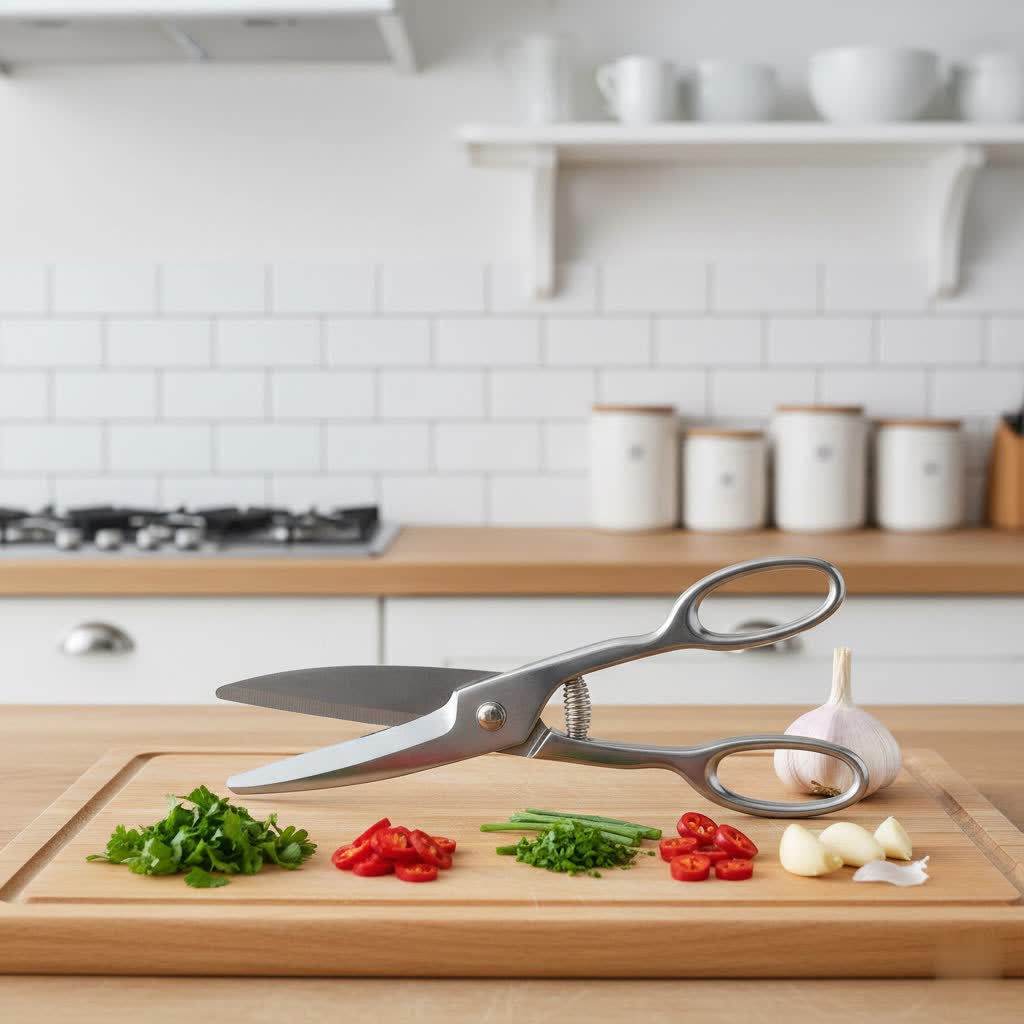
Picture this: Thanksgiving dinner, the family gathered, and you’re poised to carve the magnificent turkey. But as you grip your poultry shears, they feel stiff, sticky, and refuse to glide smoothly. The dream of effortlessly portioning that perfectly roasted bird quickly turns into a wrestling match. Sound familiar? It’s a common frustration born from neglecting a simple yet crucial maintenance step: regularly oiling your poultry shears. Just like any precision tool, these kitchen workhorses need a little TLC to perform at their best.
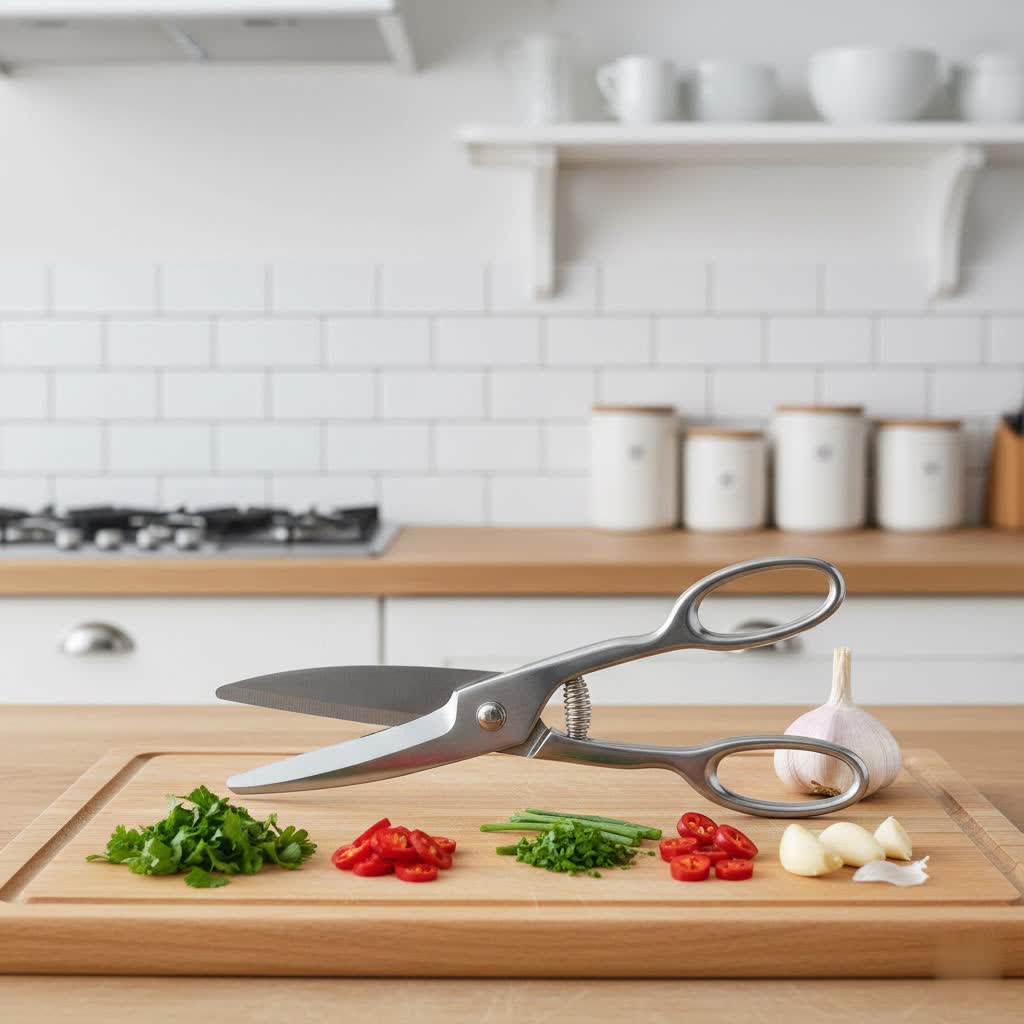
Why Your Poultry Shears Crave Monthly Oiling
Maintaining your poultry shears goes beyond mere cleanliness; it’s about preserving their functionality, extending their lifespan, and ensuring every cut is as precise as the first. The hinge, often overlooked, is the heart of their operation, and keeping it lubricated is paramount.
Preventing Rust and Corrosion
Table is empty.Even high-quality stainless steel can fall prey to rust and corrosion, especially in a humid kitchen environment. Poultry shears are frequently exposed to moisture from washing, sanitizing, and the inherent liquids of poultry. This constant exposure creates an ideal breeding ground for oxidation. A thin, consistent layer of food-safe oil acts as a protective barrier, sealing out moisture and preventing those dreaded rust spots from forming on the pivot point and blades. Without this protection, rust can quickly compromise the integrity of the metal, leading to weakened blades and eventually, irreversible damage.
Ensuring Silky Smooth Operation
A stiff, grinding hinge is not just annoying; it makes cutting significantly harder and less efficient. When metal rubs against metal without lubrication, friction increases, causing wear and tear. Oiling the hinges reduces this friction to a minimum, allowing the blades to pivot freely and smoothly with every squeeze. This translates to effortless cuts through bone, skin, and cartilage, reducing strain on your hands and making quick work of even the largest birds. Think of it like the engine in your car – without oil, it seizes up, and your shears are no different.
Extending Lifespan and Maintaining Edge Retention
Regular lubrication dramatically extends the life of your poultry shears. The reduced friction from oiling prevents premature dulling of the blades and wear on the hinge mechanism. When your shears operate smoothly, you exert less force, which, in turn, protects the sharp edges from unnecessary stress. This means your shears stay sharper for longer, requiring less frequent sharpening and saving you time and effort. A well-oiled pair of shears is an investment that pays dividends in performance and longevity, allowing you to enjoy them for years to come.
The Right Lubricant: Food-Safe Oils for Your Kitchen
When it comes to oiling any kitchen tool, the type of lubricant you choose is critical. Since your poultry shears come into direct contact with food, selecting a food-safe option is non-negotiable.
Here’s a quick guide to help you choose the best oil for your beloved shears:
| Oil Type | Pros | Cons | Best Use Case |
|---|---|---|---|
| Food-Grade Mineral Oil | Non-toxic, tasteless, odorless, doesn’t go rancid or polymerize, widely available. | May require relatively frequent reapplication, especially with heavy use and washing. | Ideal for all kitchen tools, including poultry shears |
| Food-Safe Specialized Oils | Formulated for tools, often odorless, excellent lubrication and protection, designed for longevity. | Can be more expensive, might be harder to find in regular stores, may have a distinct scent depending on the brand (e.g., some have a slight licorice/pine scent). | Excellent for dedicated tool maintenance |
| Olive Oil (and other non-drying cooking oils) | Readily available in most kitchens, food-safe. | Can eventually polymerize (gum up) over time, especially if not thoroughly cleaned and reapplied frequently. May attract dust and residue if excess isn’t meticulously wiped away, can go rancid if not frequently cleaned. | Acceptable as a temporary solution, but requires diligent cleaning and frequent reapplication. |
Food-grade mineral oil is often the top recommendation due to its inert properties—it won’t go rancid, gum up, or impart any flavors to your food. Specialized food-safe oils, sometimes labeled as “knife oil” or “tool oil” for kitchen use, are also excellent choices, often designed for superior lubrication and protection. While some non-drying cooking oils like olive oil can be used in a pinch, be aware that they can potentially polymerize and become sticky over time, making diligent cleaning even more critical. Absolutely avoid industrial machine oils or petroleum-based greases, as these are toxic and unsafe for food contact.
A Step-by-Step Guide to Oiling Your Poultry Shears
Oiling your poultry shears is a quick and straightforward process that should be integrated into your regular kitchen routine, ideally once a month, or more frequently if you use and wash them often.
1. Clean and Dry First
Before applying any oil, ensure your shears are immaculately clean and completely dry. Wash them thoroughly with warm, soapy water, paying close attention to the pivot area where food particles and moisture can hide. Rinse them under clean water to remove all soap residue, then dry them immediately with a clean towel. Any lingering moisture can trap water under the oil, negating its protective benefits and potentially leading to rust.
2. Apply a Small Drop to the Hinge/Pivot
With your shears fully open, locate the hinge or pivot point where the two blades connect. Apply just a tiny drop of your chosen food-safe oil directly into this joint. Less is more here; you don’t need to douse them in oil. A single drop is usually sufficient to lubricate the moving parts effectively.
3. Work the Oil In
Once the oil is applied, slowly open and close the shears several times. This action helps to distribute the oil evenly throughout the entire hinge mechanism, ensuring that all moving metal surfaces are lubricated. You should immediately feel the difference as the resistance decreases and the movement becomes smoother.
4. Wipe Away Excess
After working the oil in, use a clean cloth or paper towel to wipe off any excess oil from the blades, handles, and around the hinge. This step is crucial for preventing the oil from attracting dust, lint, or food particles during storage. It also ensures that no oil transfers to your food during use, maintaining hygiene and taste integrity.
Beyond Oiling: Comprehensive Poultry Shears Maintenance
While monthly oiling is essential, it’s part of a broader maintenance strategy that will keep your poultry shears in prime condition for years to come.
Hand Washing is Key
Resist the urge to toss your poultry shears into the dishwasher. The harsh detergents, high heat, and aggressive water jets can dull the blades, damage the handles, and strip away any protective coatings or lubrication. Always opt for hand washing with mild dish soap and warm water immediately after each use.
Thorough Drying
Following hand washing, drying is perhaps the most critical step to prevent rust. Ensure every nook and cranny, especially the hinge, is completely dry before storing. Air drying alone isn’t enough; actively wipe them down with a clean towel.
Sanitization After Raw Poultry
After processing raw meat or poultry, sanitation is paramount to prevent cross-contamination. Consider dipping your cleaned and rinsed shears in a food-safe sanitizing solution, such as a diluted bleach solution (following manufacturer instructions) for a couple of minutes. Always rinse and dry thoroughly afterward.
Proper Storage
Store your poultry shears in a way that protects their blades and prevents accidents. A dedicated knife block slot, a magnetic strip, or a protective sheath in a drawer are all excellent options. Avoid simply tossing them into a cluttered drawer where they can bump against other utensils, potentially dulling their edges or getting damaged.
Sharpening Regularly
Even with excellent maintenance, blades will eventually dull with use. Periodically check your shears for sharpness. If they start tearing rather than cutting cleanly, it’s time for a professional sharpening or a touch-up with a suitable sharpening tool.
Conclusion: Elevate Your Culinary Experience with Oiled Shears
Your poultry shears are an indispensable tool in the kitchen, designed to make light work of challenging tasks. By embracing the simple habit of oiling their hinges monthly, you’re not just performing a chore; you’re investing in peak performance, enhanced safety, and remarkable longevity for your tool. This small act of care prevents frustrating stiffness, fends off destructive rust, and keeps your shears operating with a satisfying, buttery smoothness, ensuring they’re always ready for your next culinary adventure.
Imagine the satisfaction of effortlessly carving your next roast, knowing your tools are as sharp and reliable as your culinary skills. Isn’t that a kitchen experience worth striving for?
Frequently Asked Questions
Can I use olive oil or other cooking oils to lubricate my poultry shears?
While non-drying cooking oils like olive oil can provide temporary lubrication, food-grade mineral oil or specialized food-safe tool oils are generally preferred. Cooking oils can polymerize over time, leading to a sticky residue that can gum up the hinge, and they may go rancid if not thoroughly cleaned and reapplied frequently.
How often should I oil my poultry shears?
For optimal performance and protection, oiling your poultry shears monthly is a good general guideline. However, if you use and wash them frequently, particularly after handling raw poultry, you might consider oiling them more often, such as every few weeks, especially after a thorough cleaning.
What happens if I don’t oil my poultry shears?
Neglecting to oil your Poultry Shears can lead to several problems: the hinge may become stiff, sticky, or grind when in use; the metal parts, even stainless steel, can rust or corrode; and the blades may dull faster due to increased friction, ultimately shortening the overall lifespan of your shears.