In the dynamic world of the kitchen, choosing the right tool can dramatically enhance efficiency and safety. Among the most versatile instruments are kitchen shears, but not all blades are created equal. When it comes to tackling various ingredients, from slippery poultry skin to delicate herbs, a crucial question arises: do serrated or straight-edge shears offer a better grip, and which is right for your culinary adventures? Understanding the distinct mechanics and applications of each blade type is key to maximizing your kitchen’s potential.
Why Blade Grip Matters in the Kitchen
The ability of your kitchen shears to grip material effectively is paramount for several reasons. Primarily, it significantly impacts safety. When dealing with slick surfaces like raw chicken skin or firm vegetables, a blade that slips can lead to accidents. A superior grip means less force is required, reducing strain on your hands and wrists, ultimately making food preparation faster and more enjoyable. Moreover, optimal grip ensures cleaner, more precise cuts, preserving the integrity of ingredients and contributing to better-looking dishes. The right grip allows for effortless navigation through various textures, from sinewy meats to fibrous stalks, making your shears a truly indispensable tool.
Understanding Serrated Edge Shears
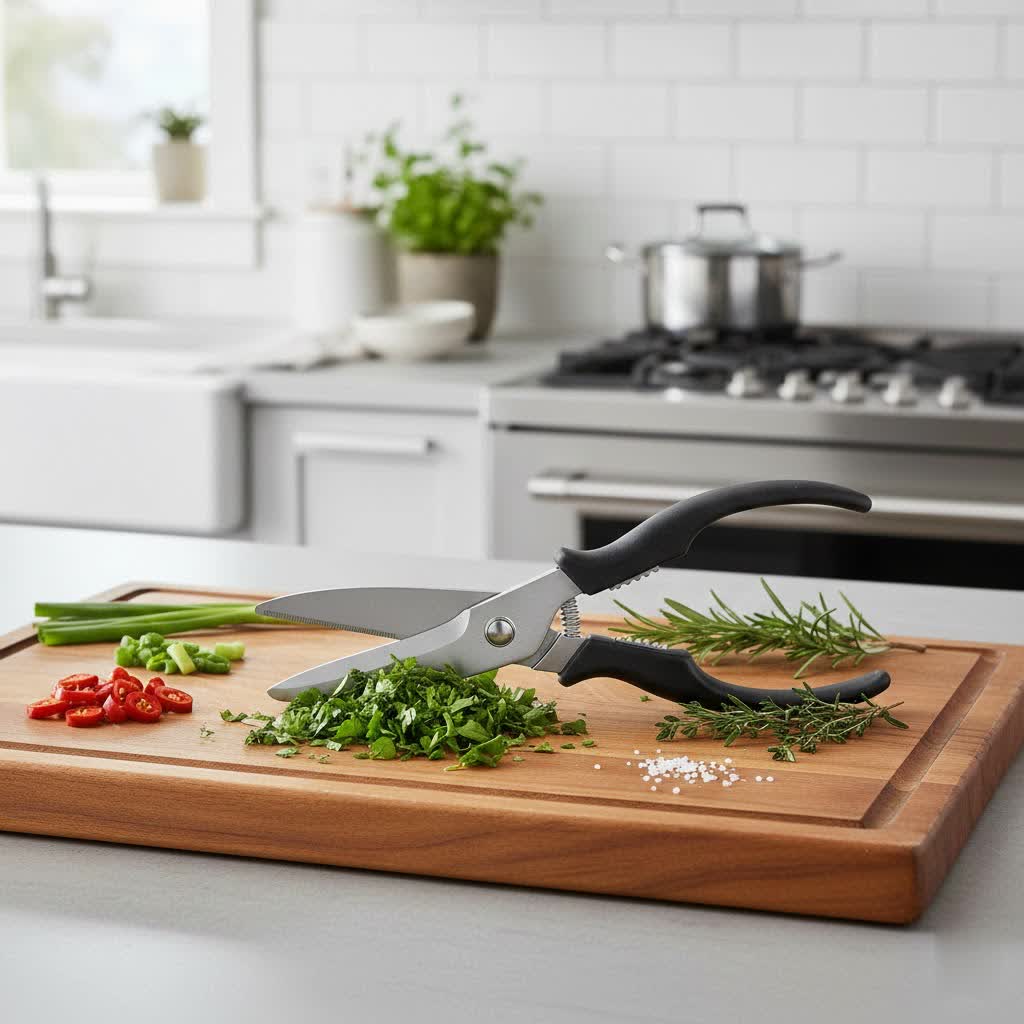
Serrated edge shears are easily recognizable by their saw-like teeth or notches along the blade. This unique design isn’t just for aesthetics; it’s engineered for maximum cutting power and exceptional grip. When a serrated blade encounters a material, the high points of the serrations make initial contact, creating concentrated pressure that effectively punctures the surface. This allows the blade to “grab” and tear through tough or slippery items rather than relying solely on a clean slice. The cutting motion often resembles a gentle sawing action, making light work of challenging textures.
The primary advantage of serrated shears is their unparalleled ability to grip and slice through materials that might otherwise slide away. This makes them ideal for tasks such as spatchcocking a whole chicken, where the serrations can firmly hold onto slippery skin and cartilage, providing the necessary leverage to cut through bones. They also excel at cutting through fibrous foods like bread, tough vegetables, and even non-food items like twine or thick packaging. Many find that serrated blades feel sharper for longer, even when slightly dull, because the teeth continue to tear and grip effectively.
Exploring Straight Edge Shears
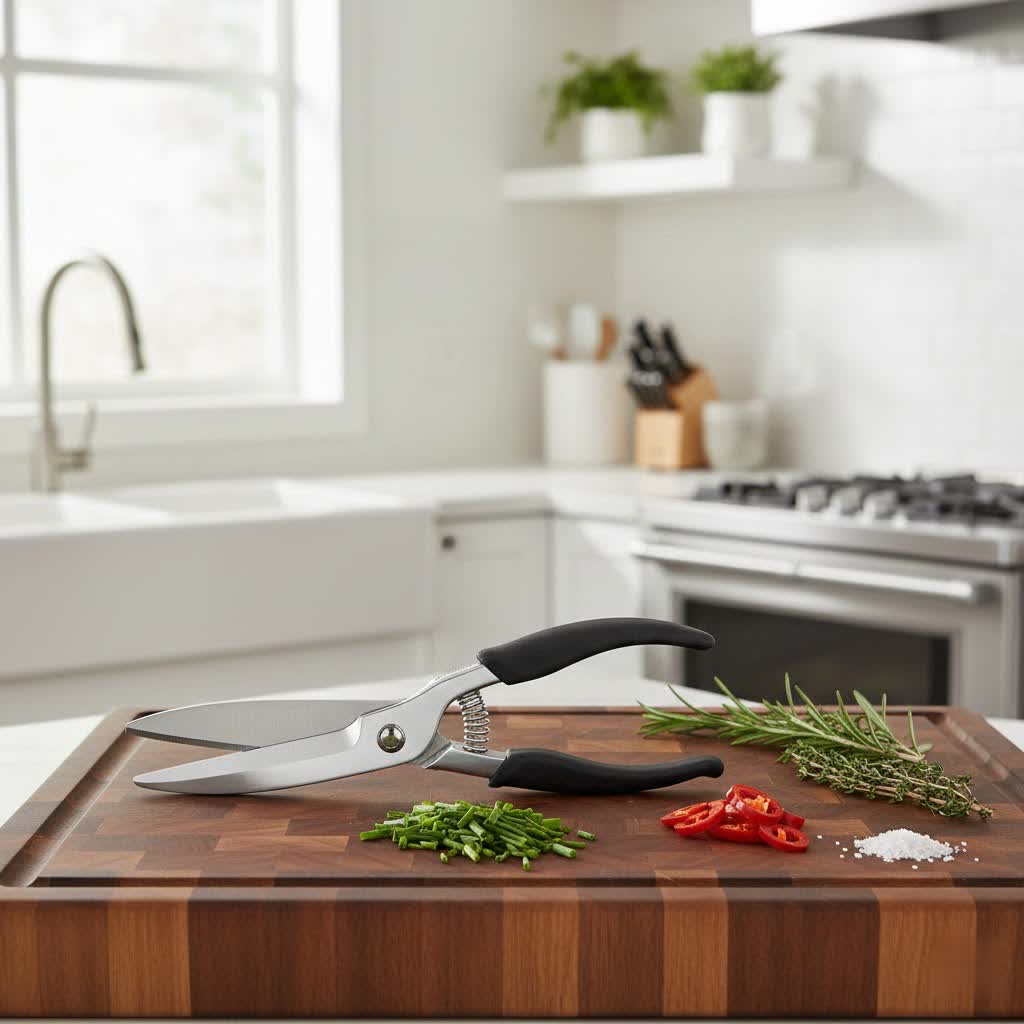
In contrast to their serrated counterparts, straight-edge shears feature a smooth, continuous blade without any teeth or notches. This design prioritizes precision and clean cutting. Straight-edge blades excel at “push cuts,” where the force is applied directly perpendicular to the material, allowing for an exceptionally clean and smooth severance. Think of the surgical precision of a chef’s knife—straight-edge shears offer a similar level of accuracy in a scissor-like format.
The main benefits of straight-edge shears lie in their ability to deliver neat, unfrayed cuts and their versatility for delicate tasks. They are perfect for mincing fresh herbs, trimming pastry dough with exactitude, or making fine, clean slices through soft fruits and vegetables. Their smooth surface also makes them generally easier to sharpen at home, allowing for consistent maintenance of a razor-sharp edge. For tasks demanding meticulous detail and a pristine finish, the straight edge is the undisputed champion.
The Best of Both Worlds: Hybrid and Dual-Blade Shears
Often, the ideal kitchen shear doesn’t involve an exclusive choice between serrated and straight edges. Many high-quality kitchen shears, particularly those designed for poultry and general food preparation, ingeniously combine both blade types. It’s common to find shears featuring one serrated blade paired with one straight, sharp blade. This combination harnesses the best attributes of each design: the serrated edge provides the necessary grip to prevent slipping and initiate the cut, while the straight edge follows through with a clean, precise finish.
These hybrid designs offer exceptional versatility, making them a cornerstone tool in any kitchen. They can effortlessly transition from breaking down a whole chicken—where the serrated blade grips and cuts through bone and cartilage, and the straight blade makes cleaner cuts through meat—to finely snipping delicate herbs. Some specialized shears might even feature “combo-serration” on a single blade, incorporating both plain and serrated sections to tackle a wider range of materials. Investing in such a multi-functional pair means you’re equipped to handle almost any cutting task the kitchen throws your way, optimizing both grip and precision in one ergonomic tool.
“For robust tasks like spatchcocking poultry, the gripping power of a serrated blade is invaluable. It prevents slips and gives you the leverage needed to cut through tougher sections. However, for delicate work like chiffonading basil, a straight edge provides the clean cut you desire.”
Choosing Your Ideal Shears: A Practical Guide
Selecting the perfect pair of kitchen shears involves more than just blade type; it’s about matching the tool to your primary needs and culinary style. Start by assessing what you cut most often. If your kitchen frequently sees whole chickens, tough cuts of meat, or crusty breads, a pair with a strong serrated edge or a hybrid design will be most beneficial for superior grip and cutting power. If your focus is on precision for herbs, garnishes, or pastry work, the clean cuts of a straight-edge shear might be more suitable.
Beyond the blade, consider the material; high-quality stainless steel ensures durability, corrosion resistance, and food safety. Ergonomics are equally important: comfortable, non-slip handles reduce hand fatigue during extended use. Look for features like a safety lock and blades that can detach for easy cleaning. Lastly, don’t shy away from reputable brands. Investing in a well-made pair of shears, though potentially a higher upfront cost, will provide reliable performance and longevity, proving its worth over countless meals.
Tips for Maximizing Shears Performance and Longevity
To ensure your kitchen shears remain a sharp, reliable companion, proper care and maintenance are essential. After each use, especially when cutting raw meat or sticky foods, immediately wash your shears by hand with warm, soapy water. While some models are dishwasher-safe, hand washing helps preserve the blade’s edge and prevents potential rusting of metal components. Always dry them thoroughly before storing to avoid moisture build-up.
For straight-edge shears, periodic sharpening with a kitchen knife sharpener or honing steel will maintain their precision. Serrated shears are trickier to sharpen at home due to their unique tooth design, often requiring specialized sharpeners or professional services. However, their design means they can maintain effective cutting even when slightly dull. Store your shears in a protective sheath or a knife block to prevent accidental dulling or damage to the blades. Treating your shears with care will extend their lifespan and ensure they’re always ready for action.
Conclusion: Finding the Perfect Cut for Your Kitchen
The debate between serrated and straight-edge shears ultimately boils down to the task at hand. Serrated shears unquestionably offer superior grip, making them the champion for tough, fibrous, or slippery materials where their “sawing” action prevents slippage and provides powerful leverage. Straight-edge shears, on the other hand, excel in precision, delivering clean, smooth cuts for more delicate work. For many home cooks, the hybrid shear—combining one serrated and one straight blade—provides the ultimate versatility, offering both the gripping power and the clean finish required for a wide array of culinary challenges. By understanding these fundamental differences and considering your specific kitchen needs, you can confidently choose the shears that not only grip better but also transform your food preparation experience. What cutting challenges will you conquer with your ideal shears?
Frequently Asked Questions
Are all kitchen shears the same?
Table is empty.No, kitchen shears vary significantly in blade type, material, design, and intended use. Some are general-purpose, while others are specialized for tasks like poultry, fish, or herbs, featuring different blade edges (serrated, straight, or a combination) to optimize performance for specific ingredients.
Can I sharpen serrated shears at home?
Sharpening serrated shears at home is more challenging than sharpening straight-edge blades. It typically requires specialized sharpening tools, such as a ceramic rod or a tapered sharpener, to hone each individual serration. For best results, professional sharpening is often recommended to maintain their unique edge.
Why do some kitchen shears have one serrated blade?
Many kitchen shears feature one serrated blade and one straight blade to offer the best of both worlds. The serrated blade provides excellent grip, preventing slippery foods from sliding, while the straight blade delivers a clean, precise cut. This combination makes them highly versatile for a wide range of kitchen tasks, from breaking down poultry to snipping herbs.