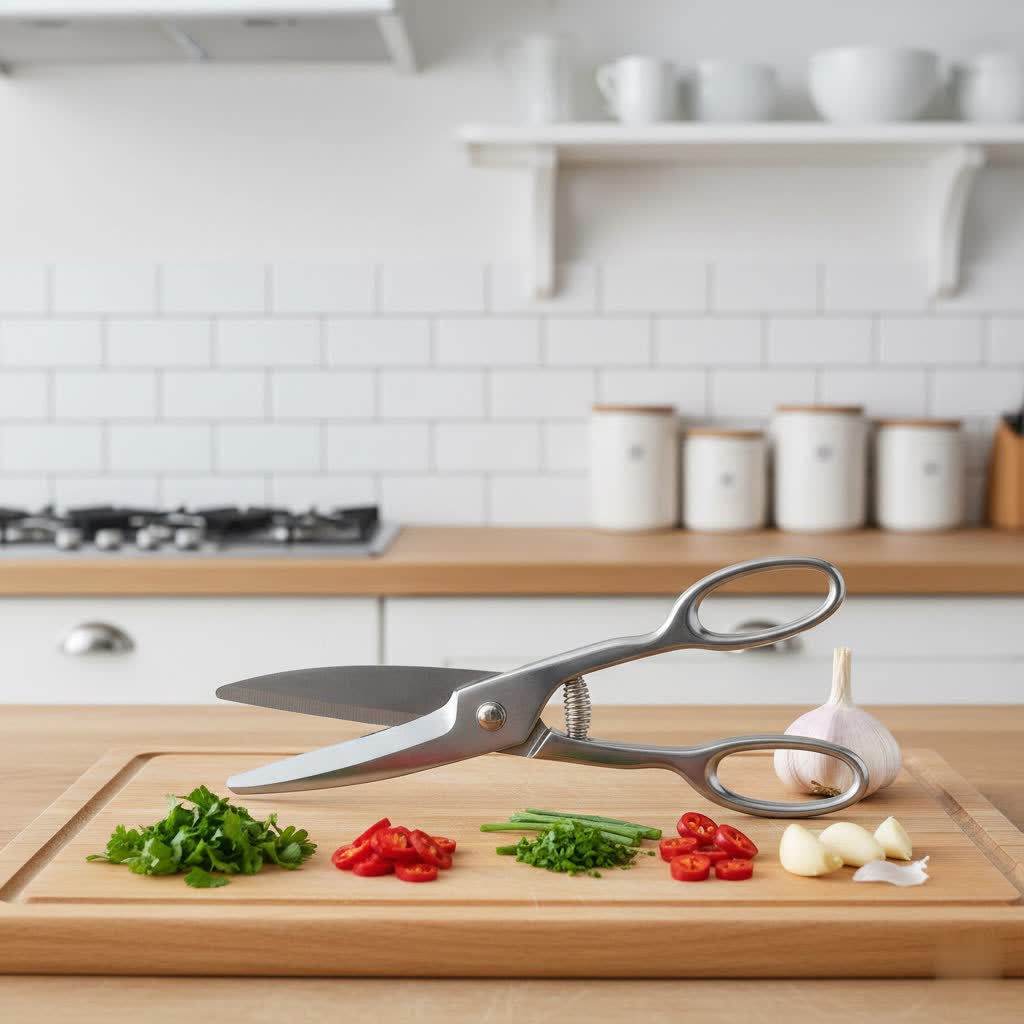
A broken latch on your favorite shears can quickly turn a useful tool into a frustrating hazard. Whether it’s a beloved pair of garden pruners, essential kitchen shears, or precision grooming scissors, a malfunctioning latch compromises safety, efficiency, and storage. Imagine reaching for your garden shears only for them to spring open unexpectedly, or struggling to make a clean cut because the blades feel loose and misaligned. This guide will walk you through diagnosing common latch problems and provide practical, step-by-step solutions to restore your shears to optimal working condition, helping you extend their lifespan and get back to your tasks with confidence.
Why a Functional Latch Matters for Your Shears
Table is empty.A properly working latch is more than just a convenience; it’s fundamental to the safety and performance of your shears. Firstly, a secure latch prevents accidental opening, protecting you from potential cuts and safeguarding the blades from damage when not in use. This is especially crucial for sharp tools that could cause injury if left unsecured. Beyond safety, a functional latch often indicates that the shears maintain correct blade alignment and tension. When a latch fails, it can lead to blades that cross improperly or don’t meet cleanly, making precise cuts difficult or even impossible. Furthermore, a secured latch ensures compact and safe storage, preventing entanglement with other tools and protecting the cutting edge from dulling or chipping. A well-maintained latch extends the overall lifespan of your shears, making them a reliable companion for years to come.
Understanding Your Shears’ “Latch”
The term “latch” on shears can refer to various mechanisms, depending on the type and design of the tool. Recognizing your shears’ specific locking style is the first step in effective repair.
- Integrated Locks (Slide, Thumb, or Lever Locks): Many garden pruners, utility shears, and some kitchen shears feature a distinct locking mechanism, often a slide switch, a thumb-operated lever, or a small clip that engages when the blades are closed. These are designed to hold the handles together firmly.
- Pivot Tension (The De Facto Latch): For simpler kitchen scissors, sewing shears, or basic craft scissors, there might not be a separate “latch” component at all. Instead, the tension of the pivot bolt or rivet holding the two blades together is what keeps them closed and maintains their cutting action. If these shears feel “broken” because they won’t stay closed, it’s often a pivot tension issue.
- Spring-Loaded Latches/Hinges: Some specialized shears, like certain hair clippers or grooming tools, have a more complex hinge and latch system with springs that manage blade tension and allow for quick blade changes or secure locking.
Diagnosing the Problem
Before attempting any repair, accurately identify what’s wrong with your shears’ latch. A clear diagnosis will save you time and ensure you apply the correct fix.
- Latch Doesn’t Engage or is Stuck: The latch mechanism may not slide or click into place, or it might be jammed in the locked or unlocked position. This could be due to accumulated dirt, rust, or a bent component within the mechanism.
- Latch is Physically Broken/Snapped: A common issue, especially with plastic latches, is a complete break or a missing piece. This typically requires a repair to the latch component itself or a replacement.
- Shears are Loose and Won’t Stay Closed: If your shears lack a dedicated latch but feel wobbly and won’t keep their blades together, the problem likely lies with the pivot tension. The main screw or rivet holding the blades might have loosened over time.
- Shears are Jammed or Stiff: While not a broken latch, stiff operation can affect the latch’s ability to engage or disengage smoothly. This is often caused by debris, sap, or a lack of lubrication.
Troubleshooting & Fixing Common Issues
Addressing a broken latch often involves a combination of cleaning, tightening, lubricating, or even fabricating new parts.
Issue 1: Loose Shears (Pivot Tension)
If your shears feel wobbly or refuse to stay closed, the pivot point is usually the culprit.
- Clean Thoroughly: Start by removing any debris, sap, or grime. Use warm soapy water and a stiff brush, like an old toothbrush. For stubborn sap, a small amount of rubbing alcohol can be effective. Dry the shears completely.
- Tighten the Pivot Bolt: Many shears have a visible screw or bolt at the pivot point. Use a wrench or pliers to gently turn the bolt clockwise. The key is to proceed slowly, making quarter-turn adjustments. Test the shears after each adjustment to find the optimal tension where they open and close smoothly but remain secure. Over-tightening can make them stiff.
- Lubricate: Once the tension is correct, apply a drop of light machine oil or WD-40 to the pivot point. Work the handles a few times to distribute the lubricant evenly, protecting against rust and ensuring smooth operation.
- Advanced: Adjusting a Clicker Plate: Some shears have a “clicker plate” inside the pivot nut that provides tension. If this plate is flat, it can lose its spring. Carefully remove the nut, and if the clicker plate is flat, you might be able to gently bend one of its nubs slightly upwards with needle-nose pliers to restore some spring.
Issue 2: Physically Broken Plastic Latch
When a plastic latch snaps off or breaks, creative repair solutions are often needed.
- Adhesive Repair (for minor breaks): For small cracks or reattaching a piece, super glue combined with baking soda can create a strong bond. Apply glue, sprinkle baking soda, and repeat for layers. Epoxy adhesives, like JB Weld, also offer robust repairs for plastic parts.
- Reinforcement: To prevent future breaks, consider reinforcing the repaired area with a small piece of metal (e.g., a thin aluminum strip) secured with adhesive, especially if the latch is under stress.
- Fabricating a New Latch: For a completely broken or missing plastic latch, you can fabricate a replacement.
- Materials: You’ll need a sturdy plastic card (like an old credit card), small screws (e.g., 2.5mm), nuts, washers, a drill with a 2.5mm bit, scissors, a utility knife, and a perforator (for rounded corners).
- Steps:
- Drill two pilot holes on the shear’s handle where the latch attaches.
- Shape the plastic card to create the new latch. Use scissors, a utility knife, and a perforator to make precise cuts and rounded corners for durability. This may require some trial and error.
- Assemble the new latch to the shears using the screws, nuts, and washers. Ensure it’s securely fastened but allows for proper movement. Test the function and make any necessary adjustments.
- Plastic Welding (for severe plastic damage): For more extensive plastic breaks, a technique involving lead solder, super glue, and a piece of plastic (e.g., from a plastic bottle) can be used. This essentially melts and fuses new plastic to the broken area, creating a strong repair.
Issue 3: Jammed or Sticky Latch
A latch that’s hard to move is often a sign of dirt or lack of lubrication.
- Clean: As with loose shears, a thorough cleaning to remove any obstructing grime, rust, or sticky residues like sap or food particles is crucial.
- Lubricate: Apply a lubricating oil directly to the latch mechanism and work it back and forth until it moves freely.
Issue 4: Specific Latch Component Broken (e.g., clipper latch, spring)
For shears with distinct, often replaceable, latch components (like those found on some clippers), a more direct replacement might be possible.
- Disassembly: Carefully identify and remove the screws holding the latch mechanism in place. Pay attention to any small springs or washers.
- Replace Components: If you can source a replacement latch or spring, install the new parts.
- Reassembly: Put the shears back together, ensuring all screws are tightened securely and the spring is correctly seated. Test the latch for smooth operation.
When to Replace Your Shears
While many latch issues can be fixed, there are times when replacement is the more practical option. Consider purchasing new shears if:
- The blades are severely bent, chipped, or misaligned beyond repair.
- Critical metal components of the latch or pivot are stripped, cracked, or corroded beyond salvage.
- Replacement parts for specialized latch mechanisms are unavailable, and DIY fabrication is not feasible or safe.
- The cost of repair, including specialized tools or professional service, outweighs the cost of a new, reliable pair of shears.
Preventative Maintenance for Your Shears Latch
A little ongoing care can prevent most latch problems from ever occurring.
- Regular Cleaning: After each use, especially for garden or kitchen shears, wipe down the blades and the latch mechanism to remove sap, dirt, or food residue. For sticky substances, use warm soapy water or rubbing alcohol.
- Lubrication: Periodically apply a light machine oil to the pivot point and any moving parts of the latch mechanism. This reduces friction and prevents rust.
- Proper Storage: Always store your shears with the latch engaged (if applicable) and in a dry place to prevent corrosion. Using blade covers or a tool organizer can also protect the latch from accidental damage.
- Avoid Overloading: Use your shears for their intended purpose. Attempting to cut materials beyond their capacity can strain and damage the latch or pivot point.
Conclusion: Restore Functionality, Extend Lifespan
Dealing with a broken latch on your shears can be a minor inconvenience or a major safety concern, but with the right approach, many issues are surprisingly fixable. From simply tightening a loose pivot bolt to creatively fabricating a new plastic latch, empowering yourself with repair knowledge can save you money and keep your essential tools performing at their best. Remember, a well-maintained and properly functioning latch ensures safety, enhances cutting precision, and extends the life of your shears, making your work in the garden, kitchen, or workshop more efficient and enjoyable. Don’t let a small broken part render your entire tool useless; embrace the DIY spirit and give your shears a new lease on life. What other small tool repairs have you successfully tackled at home?
Frequently Asked Questions
Can I use super glue to fix a broken plastic shear latch?
Yes, for minor breaks or reattaching small pieces of a plastic latch, super glue can be effective. For added strength, you can apply layers of super glue alternated with baking soda to create a more robust bond.
How often should I lubricate my shears’ latch?
The frequency depends on usage and environment. For regularly used shears, especially those exposed to moisture or sticky materials, lubricating the pivot point and latch mechanism monthly or every few uses is a good practice to prevent rust and ensure smooth operation.
My pruning shears won’t stay closed, but there’s no visible latch. What’s wrong?
If your pruning shears don’t have a distinct latch but won’t stay closed, the pivot bolt that holds the blades together is likely loose. You can typically fix this by cleaning the pivot area and then gently tightening the pivot bolt with a wrench or pliers until the blades hold tension.
Is it always better to repair a broken shear latch than to buy new shears?
Not always. While DIY repairs are cost-effective for many issues, consider replacing shears if the blades are severely damaged (bent, chipped), critical metal components are stripped, or specialized replacement parts are unavailable. The repair cost should not exceed the cost of new shears.
Can a jammed latch be fixed, or does it need to be replaced?
A jammed or sticky latch can often be fixed with a thorough cleaning and lubrication. Remove any accumulated dirt, sap, or residue from the mechanism, then apply a light machine oil to restore smooth movement. Replacement is usually only necessary if a component within the latch mechanism is physically broken or bent beyond repair.