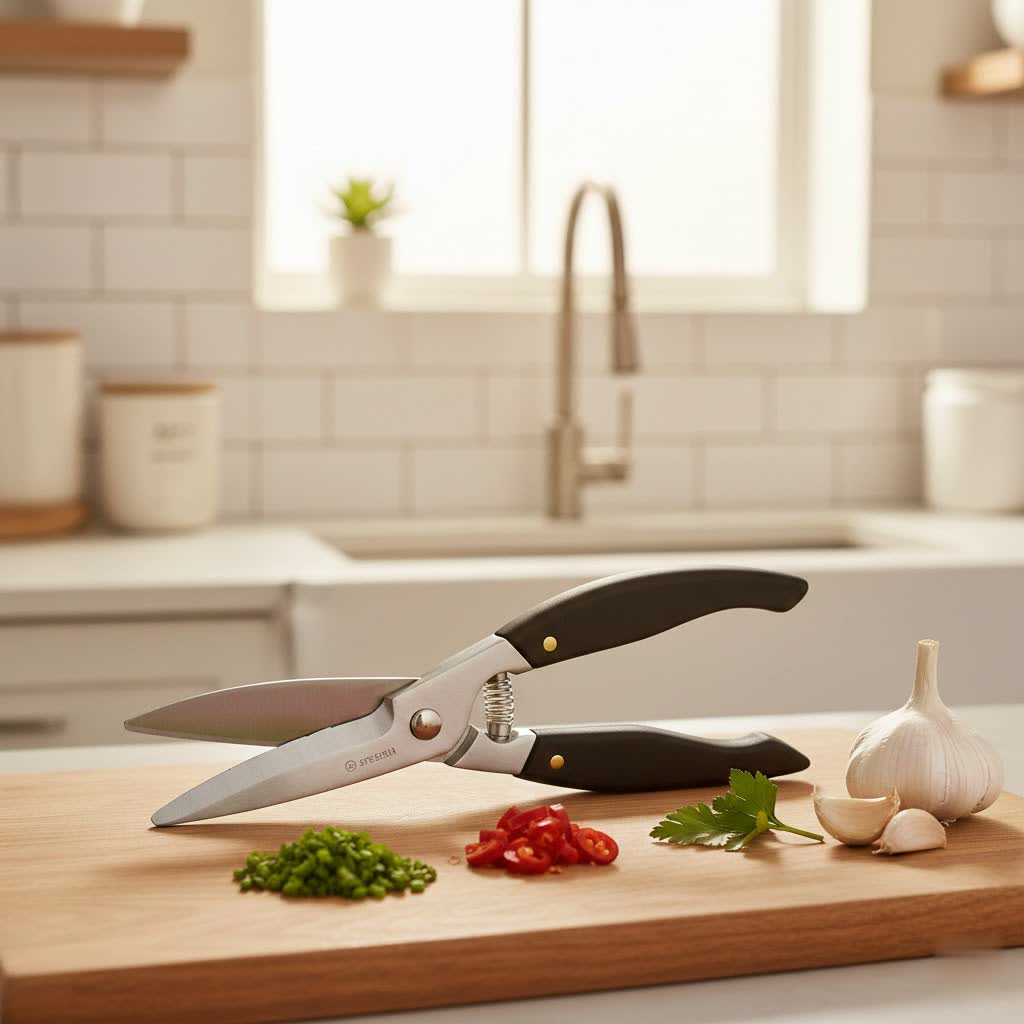
In any kitchen, whether professional or home-based, preventing cross-contamination is paramount to food safety and the health of those you serve. While knives and cutting boards often take center stage in food safety discussions, kitchen shears are equally critical tools that demand careful attention. From snipping herbs to dissecting poultry, these versatile implements can, if mishandled, become silent carriers of harmful bacteria. Understanding how to properly use, clean, and store your shears is key to minimizing risks and ensuring a truly hygienic cooking environment.
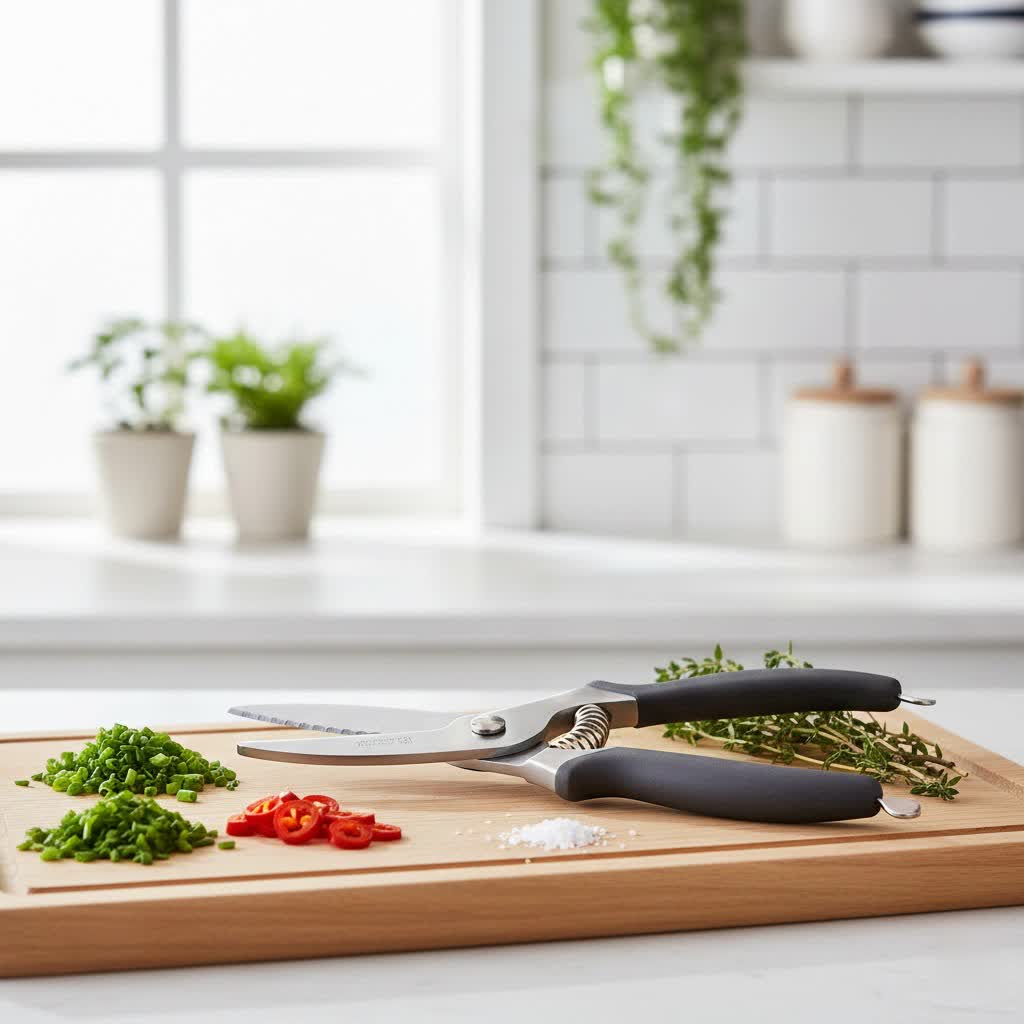
Understanding the Hidden Dangers: Cross-Contamination and Your Shears
Cross-contamination refers to the unintentional transfer of harmful microorganisms, such as bacteria, from one food item or surface to another. This silent threat is a leading cause of foodborne illnesses, which can range from mild discomfort to severe health complications. When it comes to kitchen shears, their design and common uses make them particularly susceptible to facilitating this transfer.
Shears often come into direct contact with raw meats, poultry, and seafood, which are primary sources of bacteria like Salmonella and E. coli. Unlike a flat knife blade, shears have multiple moving parts, including hinges, rivets, and textured handles, which can harbor food particles and bacteria, making thorough cleaning more challenging. If shears used on raw chicken are then, even briefly, used to cut fresh herbs for a salad without proper cleaning, harmful pathogens can easily transfer to ready-to-eat food, which won’t undergo further cooking to kill the bacteria. This overlooked step can compromise the safety of an entire meal.
Essential Strategies for Preventing Cross-Contamination with Shears
Safeguarding your kitchen starts with establishing clear protocols for your tools. Implementing a few key practices can drastically reduce the risk of cross-contamination involving your shears.
1. Designate Shears for Specific Tasks
One of the most effective ways to combat cross-contamination is to prevent the mixing of contaminants from the outset. This principle applies perfectly to your kitchen shears.
- Raw vs. Ready-to-Eat: Dedicate one pair of shears exclusively for raw meats, poultry, and seafood. This means these shears should never touch cooked foods, fresh produce, or other ready-to-eat ingredients.
- Color-Coding Systems: For busy kitchens or those with multiple users, a color-coding system can be invaluable. Assign a specific color (e.g., red handles for raw meat, green for produce) to differentiate shears immediately. This visual cue helps prevent accidental misuse, making it easier for everyone to adhere to food safety standards.
- Beyond Food: If you use shears for non-food tasks like opening packaging or cutting twine, ensure these are entirely separate from any food-related shears. Even seemingly innocuous items can carry unseen contaminants.
By maintaining distinct sets of shears, you create a physical barrier against bacterial transfer, significantly enhancing your kitchen’s hygiene.
2. Meticulous Cleaning and Sanitization
Even with dedicated shears, thorough cleaning and sanitization are non-negotiable after every use, especially when they have been in contact with raw ingredients.
- Immediate Action: Do not let shears sit unwashed. Residues and bacteria can dry onto surfaces, making them harder to remove and providing an environment for pathogen growth.
- Hot, Soapy Water: Wash shears immediately in hot, soapy water. Pay close attention to the blades, hinges, and handles where food particles might accumulate. Use a brush to scrub any crevices.
- Dishwasher Safety: Many modern kitchen shears are designed to be dishwasher safe. The high temperatures and strong detergents in a dishwasher can provide an excellent level of cleaning and sanitization. Always check the manufacturer’s instructions before placing them in the dishwasher.
- Disassemblable Shears: Some high-quality shears can be taken apart, allowing for complete access to all surfaces for cleaning. If your shears have this feature, always separate them before washing to ensure no hidden areas are overlooked.
- Sanitization (Optional but Recommended): For an extra layer of protection, particularly after handling raw meats, consider using a food-safe sanitizer. Follow the product’s instructions carefully for proper concentration and contact time, then rinse thoroughly if required.
- Thorough Drying: After washing and rinsing, dry your shears completely with a clean cloth or allow them to air dry on a clean rack. Moisture can encourage bacterial growth and lead to rust, degrading the tool over time.
“Proper cleaning isn’t just about appearance; it’s about eliminating unseen threats. Every nook and cranny on your shears can harbor bacteria if not meticulously cleaned,” says Chef Antoine Dubois, a culinary hygiene specialist.
3. Proper Storage Practices
The way you store your clean shears is just as important as how you clean them. Improper storage can re-contaminate a freshly cleaned tool.
- Separate and Protected: Once clean and dry, store shears separately from other utensils, especially those that might come into contact with raw foods.
- Protective Covers/Sheaths: Many shears come with blade covers or sheaths. Use these to protect the blades from damage and prevent them from touching other surfaces where contaminants might be present.
- Designated Drawer or Block: Store dedicated raw-food shears in a separate drawer or a clearly marked section of a knife block to maintain their segregation. Avoid throwing them loosely into a general utensil drawer.
Organized and protected storage ensures that your efforts in cleaning are not undone before the next use.
4. Prioritize Hand Hygiene
While not directly about the shears themselves, personal hygiene is an undeniable component of preventing cross-contamination with any kitchen tool.
- Wash Frequently: Always wash your hands thoroughly with warm water and soap for at least 20 seconds before beginning food preparation, after handling raw meat or poultry, and before touching ready-to-eat foods or clean shears.
- Avoid Touching Surfaces: After handling raw food, avoid touching faucet handles, cabinet knobs, or other kitchen surfaces until your hands are clean.
Your hands are often the first point of contact for bacteria, and clean hands prevent their transfer to your shears and other kitchen surfaces.
Recognizing and Replacing Worn Shears
Even with the best care, shears don’t last forever. Over time, blades can dull, hinges can loosen, and handles can degrade. These signs of wear are not just aesthetic; they can pose significant hygiene risks.
- Grooves and Scratches: Minor scratches or grooves, especially on plastic handles or between disassemblable parts, can become difficult to clean thoroughly. These imperfections provide hiding spots for bacteria, making sanitization challenging.
- Dull Blades: Dull blades require more force, leading to tearing rather than clean cuts. This can spread juices more widely and increase the risk of slippage and injury. A sharp, well-maintained shear cuts cleanly, reducing the potential for bacterial spread from rough, uneven cuts.
- Rust or Corrosion: Any signs of rust or corrosion indicate that the integrity of the metal is compromised. Rust can harbor bacteria and can also flake off into food. Replace shears showing signs of significant rust immediately.
Regularly inspect your shears for any signs of wear and tear. Replacing them when they show signs of damage is a crucial investment in maintaining kitchen hygiene.
Beyond Shears: A Holistic Approach to Kitchen Hygiene
Preventing cross-contamination with shears is part of a larger, holistic approach to kitchen hygiene. Remember to extend these principles to all your cooking practices:
- Cutting Boards: Use separate cutting boards for raw meats and produce, preferably color-coded.
- Surfaces: Clean and sanitize all countertops and work surfaces that come into contact with food.
- Sponges and Cloths: Regularly clean and sanitize sponges and dishcloths, or use disposable paper towels to wipe up raw food juices.
- Refrigerator Storage: Store raw meats on the bottom shelf of your refrigerator to prevent juices from dripping onto other foods.
By adopting these comprehensive habits, you create a robust defense against foodborne illnesses in your kitchen.
Conclusion: Your Commitment to a Safer Kitchen
Mastering the art of avoiding cross-contamination with your kitchen shears is a testament to your commitment to food safety. From designating specific tools for raw and ready-to-eat ingredients to meticulously cleaning, storing, and maintaining them, every step plays a vital role in protecting your household. It’s an ongoing process that requires vigilance and consistent application of best practices, ensuring that your shears remain efficient allies in the kitchen, not hidden dangers. Prioritizing these hygiene habits not only makes for a safer cooking environment but also elevates your overall culinary practice. What one small change can you implement today to make your kitchen even safer?
Frequently Asked Questions
Can I use the same shears for raw chicken and vegetables if I wash them thoroughly in between?
While thorough washing with hot, soapy water and even sanitization can reduce bacteria, the safest practice is to use separate shears for raw meats and vegetables. This completely eliminates the risk of hidden bacteria surviving and transferring to ready-to-eat foods.
How do I know if my shears are dishwasher safe?
Check the manufacturer’s instructions or product packaging for your specific shears. Most modern kitchen shears made of stainless steel are dishwasher safe, but some with certain handle materials or special coatings might require hand washing.
What kind of sanitizer should I use for my kitchen shears?
You can use a diluted bleach solution (following EPA guidelines for food contact surfaces) or commercial food-safe sanitizing sprays. Always ensure the product is safe for food contact surfaces and rinse thoroughly if the instructions require it.
How often should I replace my kitchen shears?
Replace shears when they show signs of significant wear, such as dull blades that can no longer be sharpened, loose hinges, or grooves and cracks in the blades or handles that can trap bacteria. For regular home use, a well-cared-for pair might last several years, but professional use could shorten this lifespan.
Are all types of kitchen shears easy to clean to prevent cross-contamination?
Shears that can be fully disassembled into two halves are generally the easiest to clean thoroughly, as they allow complete access to all surfaces, including the hinge area where food particles often accumulate. One-piece designs require more meticulous attention to the hinge and handle junctures.