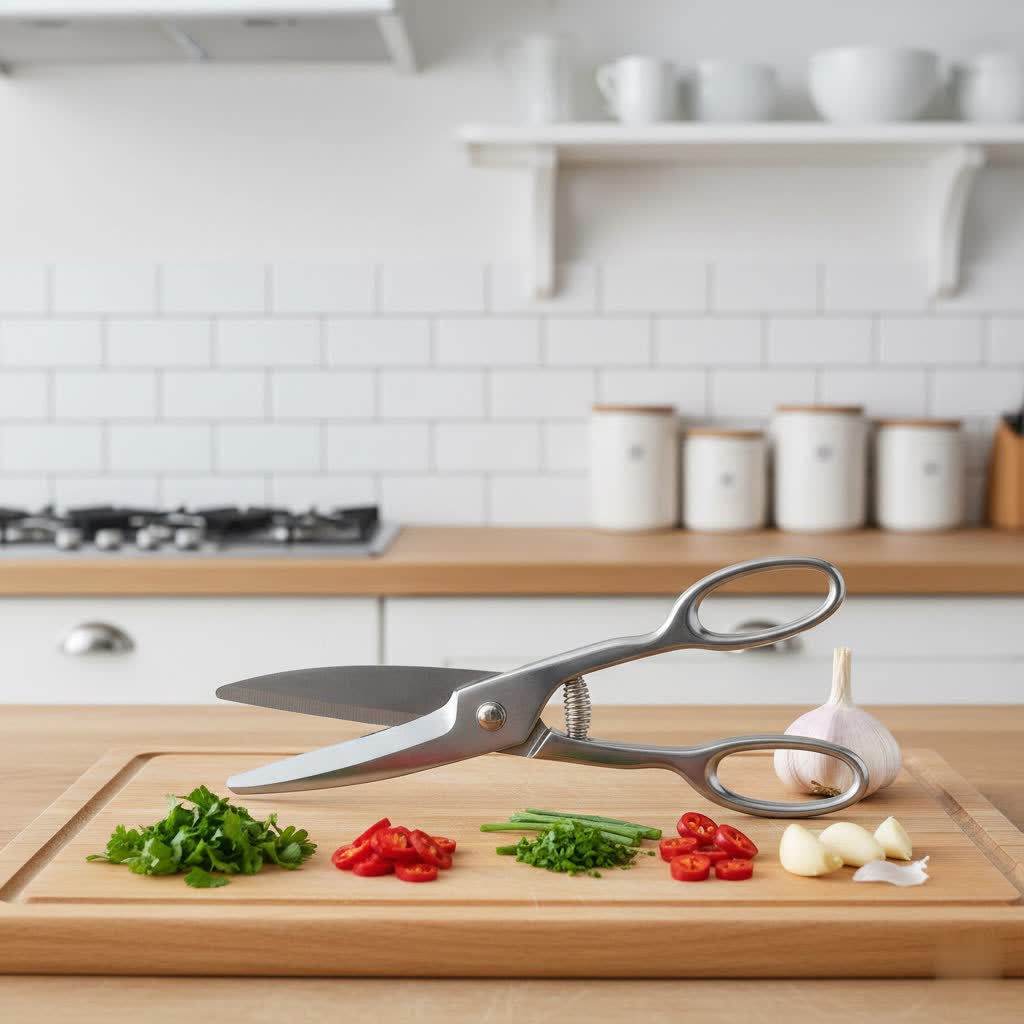
Preparing poultry can be a rewarding culinary experience, but it often demands the right tools to navigate through bones, skin, and joints with precision and ease. Among the most crucial elements of any poultry shears is its handle design. Far from being a mere aesthetic choice, the handle dictates everything from your grip security to the effort you expend. Understanding the fundamental differences between straight and looped handles is key to selecting the perfect shears that feel like a natural extension of your hand, transforming a challenging task into a smooth, efficient process.
Why Handle Design Matters for Poultry Shears
Table is empty.The handle of your poultry shears plays a pivotal role in your overall experience and the effectiveness of the tool. It’s not just about how it looks; it’s about comfort, control, safety, and ultimately, how efficiently you can break down poultry. An ergonomic handle minimizes hand fatigue during prolonged use, a common issue when tackling a whole chicken or turkey. Good handle design provides a secure, non-slip grip, which is essential when working with raw, often slippery, poultry. Furthermore, the handle’s structure directly influences the leverage you can apply, making tough cuts through bone significantly easier or harder. A well-chosen handle empowers you with confidence and precision, making every cut deliberate and effective.
Understanding Poultry Shears Handle Types
When exploring poultry shears, you’ll primarily encounter two distinct handle configurations: straight and looped. Each design offers a unique set of characteristics that cater to different preferences and cutting styles.
Straight Handles
Straight handle poultry shears typically feature two relatively flat, parallel grips that resemble traditional kitchen scissors. Their design is often simpler, prioritizing straightforward functionality. While some straight handles are robust and well-built, their primary characteristic is a lack of defined finger loops or extensive contouring. This can make them feel more like an all-purpose kitchen tool, sometimes sacrificing specialized ergonomic benefits for broader utility.
Looped/Contoured Handles
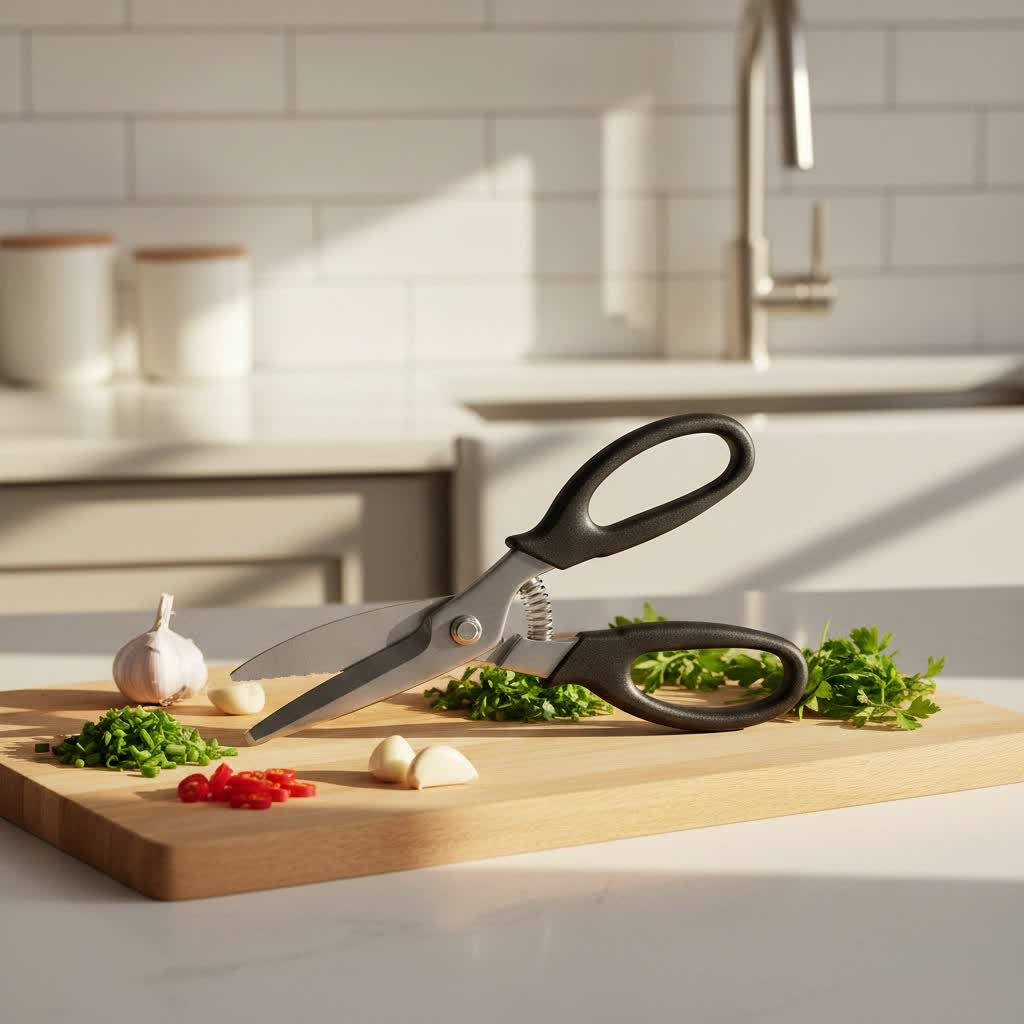
Looped or contoured handles, on the other hand, are engineered with ergonomics at their forefront. They often feature distinct finger loops, a prominent thumb rest, and a sculpted shape designed to fit the natural curves of the hand. Many incorporate soft-grip materials like rubber or silicone for enhanced comfort and slip resistance. This design often works in conjunction with a spring-loaded mechanism, which automatically reopens the blades after each cut, significantly reducing hand strain and increasing cutting speed.
A Closer Look: Straight Handle Poultry Shears
Straight handle poultry shears offer a streamlined and often more compact design. They are generally simpler in construction, sometimes appealing to those who prefer a more traditional scissor feel.
Pros of Straight Handles:
- Simplicity: Their straightforward design can feel familiar to users accustomed to standard kitchen scissors, requiring no adjustment to an unfamiliar grip.
- Compact Storage: Without bulky loops or extensive contours, they can sometimes be easier to store in a crowded kitchen drawer.
- Versatility (for some models): Certain straight handle designs are inherently more multi-purpose, suitable for various kitchen tasks beyond just poultry, such as cutting herbs or opening packaging.
- Ambidextrous Potential: Many straight handle designs are symmetrical, making them equally comfortable for both left and right-handed users.
Cons of Straight Handles:
- Reduced Grip Security: Without dedicated finger loops or ergonomic contours, straight handles can be more prone to slipping, especially when hands become wet or greasy from raw poultry.
- Increased Hand Fatigue: The lack of ergonomic support can lead to greater hand and wrist strain, particularly during extensive butchering tasks that require significant force or repetitive cutting.
- Less Leverage: The design may not provide the optimal leverage needed for cutting through tough bones, requiring more raw hand strength.
- Potential for Discomfort: Hard, unpadded straight handles can dig into the hands under pressure, causing discomfort.
Ideal Users for Straight Handles:
Straight handle shears might suit home cooks who only occasionally process small poultry and prefer a minimalist design. They can be a reasonable option for those with stronger hands or smaller tasks where extreme leverage isn’t paramount.
A Closer Look: Looped Handle Poultry Shears
Looped and contoured handle poultry shears are specifically designed for the demanding task of cutting poultry, prioritizing comfort, control, and power.
Pros of Looped Handles:
- Enhanced Grip and Control: The sculpted shape and finger loops provide a secure, non-slip grip, even with wet or greasy hands, significantly improving safety and precision.
- Superior Leverage: The design often allows for better force distribution and leverage, making it easier to cut through thicker bones and joints with less effort.
- Reduced Hand Strain: Ergonomic contours and soft-grip materials are engineered to minimize fatigue, making them ideal for prolonged use or breaking down larger birds. Many are spring-loaded, which automatically opens the blades, further reducing the effort required.
- Added Safety: A handle loop and bolster can prevent your hand from slipping forward onto the blades during operation, a critical safety feature when working with sharp edges.
- Comfort: Padding and ergonomic shaping make them more comfortable to hold, particularly for individuals who might experience hand pain or have smaller/larger hands.
Cons of Looped Handles:
- Less Ambidextrous: Some highly contoured designs might be specifically molded for right or left hands, making them less versatile for shared use or switching hands. However, many models feature two similar loops, maintaining ambidexterity.
- Bulkier Profile: The ergonomic design can make them larger and potentially more challenging to store in compact spaces.
- Specialized Use: While often capable of other kitchen tasks, their design is optimized for poultry, which might make them feel less “all-purpose” than some straight-handled variants.
Ideal Users for Looped Handles:
Looped handle shears are best for frequent poultry preparers, those butchering larger birds, or anyone seeking maximum comfort, safety, and efficiency. They are particularly beneficial for individuals with hand strength concerns or those who appreciate a highly specialized, ergonomic tool.
“The choice of handle directly impacts not just your comfort, but also your safety and the effectiveness of your cuts. A good ergonomic handle is indispensable for tackling tough poultry jobs.”
Key Factors to Consider When Choosing Your Handle
Beyond the straight versus looped distinction, several other factors relating to the handle design will influence your final decision.
- Hand Size and Comfort: Your hand size is paramount. Test different shears if possible. A handle that’s too small will cramp your fingers, while one too large will be hard to control. Look for handles that feel substantial yet comfortable in your grip.
- Material and Grip: Handles made from rubberized or silicone materials offer superior non-slip properties, crucial when dealing with raw poultry. Avoid hard, smooth plastics or bare metal that can become slippery and uncomfortable.
- Spring-Loaded Mechanism: Often integrated with looped handles, a spring-loaded design reduces the effort needed for repetitive cuts by automatically reopening the blades. This significantly lessens hand fatigue.
- Safety Features: A locking mechanism to keep the blades closed during storage is a must for any poultry shears. A bolster or finger guard at the base of the blades also adds a layer of safety by preventing accidental slips.
- Disassembly for Cleaning: Shears that come apart at the pivot point allow for thorough cleaning, which is essential for hygiene when handling raw meat, regardless of the handle type.
Tips for Maximizing Comfort and Control
No matter which handle type you choose, proper usage and maintenance can enhance your experience. Always ensure you have a firm, stable grip before making a cut, especially through bone. Use a stable cutting surface and position the poultry strategically to get the best angle. Regularly clean your shears thoroughly with warm, soapy water after each use and dry them completely to prevent rust and maintain hygiene. Periodically check the pivot point and lubricate it if necessary to ensure smooth operation. Sharpening the blades as needed will also make a significant difference in cutting performance, reducing the force required and the strain on your hands.
Conclusion: Finding Your Ideal Poultry Shears Handle
The journey to finding the perfect poultry shears ultimately comes down to a personalized decision, with the handle design being a central consideration. While straight handles offer simplicity and occasional versatility, they may fall short on ergonomics and grip security for intensive tasks. Looped and contoured handles, conversely, prioritize comfort, leverage, and safety, making them the preferred choice for those who frequently prepare poultry or seek to minimize hand strain. Reflect on your typical usage, the size of poultry you handle, and the comfort you demand from your kitchen tools. By carefully weighing the pros and cons of each handle type and considering the ergonomic features, you can confidently select a pair of poultry shears that not only meets your needs but truly enhances your culinary experience. What kind of poultry tasks do you find yourself doing most often, and how might a different handle design truly impact your prep time?
Frequently Asked Questions
Are spring-loaded handles always better for poultry shears?
Spring-loaded handles are generally preferred for Poultry Shears as they automatically reopen the blades after each cut, significantly reducing hand fatigue and making repetitive tasks much easier. This feature enhances efficiency and comfort, especially when cutting through tough bones and joints.
Can straight handle shears be ergonomic?
While many straight handle shears lack the advanced ergonomic contours of looped designs, some models may incorporate non-slip materials or padding to improve grip and comfort. However, they typically won’t offer the same level of leverage or hand strain reduction as a well-designed looped handle with dedicated finger placement.
How important is the handle material for grip?
The handle material is crucial for a secure grip, especially when working with raw poultry that can be slippery. Materials like rubberized coatings or silicone provide excellent non-slip properties and added comfort, reducing the risk of accidents and ensuring more precise control during cuts.
Are there ambidextrous options for both straight and looped handles?
Yes, many straight handle shears are naturally ambidextrous due to their symmetrical design. For looped handles, many models feature two similar-sized loops, accommodating both right and left-handed users. However, some highly contoured looped designs might be specifically molded for one hand, so it’s important to check before purchasing.
What causes hand fatigue when using poultry shears?
Hand fatigue usually stems from poor ergonomics, a lack of leverage, or the absence of a spring-loaded mechanism. When you have to exert excessive force, maintain an awkward grip, or manually open the blades after every cut, your hand muscles work harder, leading to strain and discomfort.