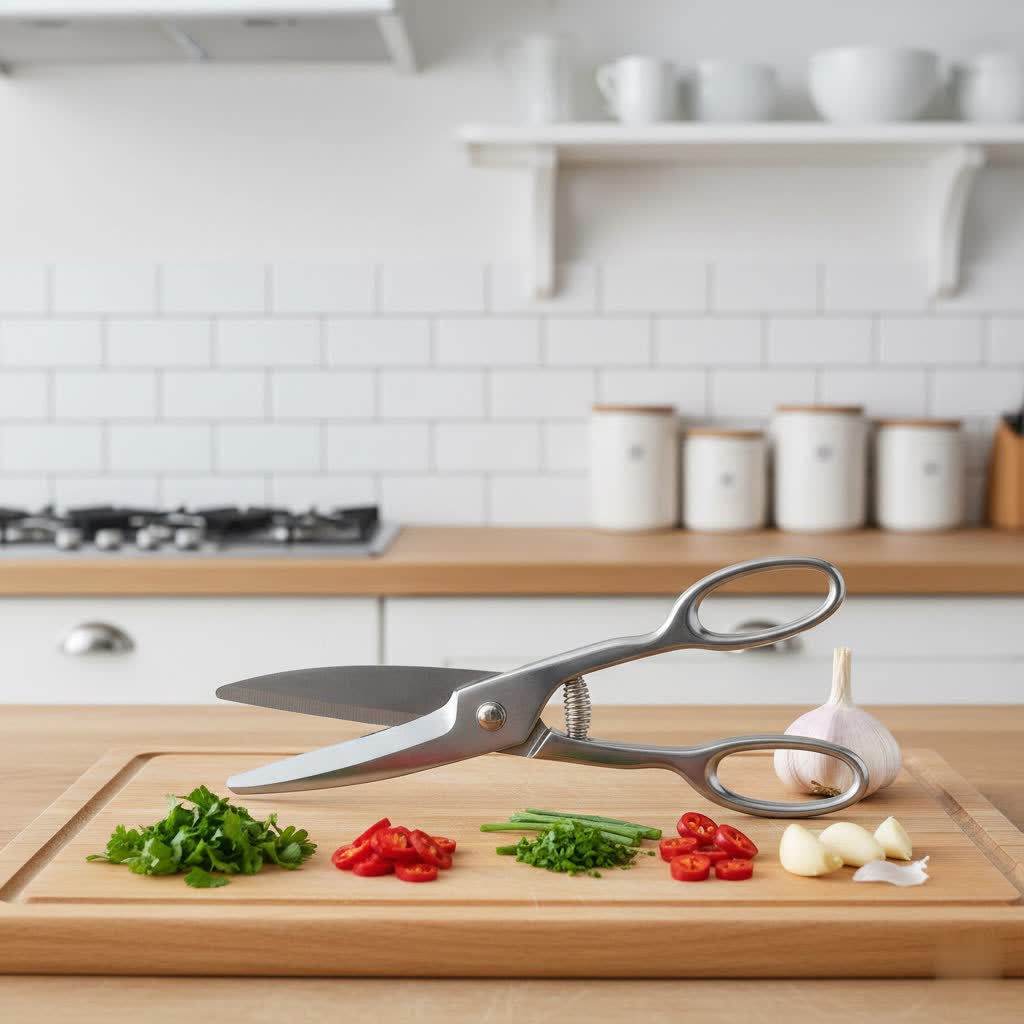
There’s little more frustrating in the kitchen, craft room, or garden than reaching for your trusty shears only to find them struggling through the simplest task. Dull blades don’t just make work harder; they can lead to uneven cuts, wasted effort, and even safety hazards. The good news is that many of the reasons your shears lose their edge quickly are entirely preventable. Understanding these common pitfalls and adopting simple care routines can significantly extend the life and sharpness of your cutting tools, ensuring they remain reliable companions for years to come.

Why Sharp Shears Matter
Sharp shears are indispensable tools across various aspects of daily life, offering efficiency, precision, and safety. Whether you’re breaking down a chicken with kitchen shears, creating intricate patterns with fabric scissors, or pruning roses in the garden, a keen edge ensures a clean, effortless cut. Dull shears, on the other hand, require more force, leading to hand fatigue, inaccurate results, and an increased risk of slippage and injury. They can tear delicate materials, crush food instead of slicing it, and ultimately diminish the quality of your work. Prioritizing blade sharpness is not just about convenience; it’s about maintaining effectiveness and safety in every task.
Mistake 1: Using Shears on the Wrong Materials
One of the quickest ways to ruin the edge of your shears is by asking them to cut materials they weren’t designed for. Just as you wouldn’t use a screwdriver as a chisel, expecting kitchen shears to snip heavy-gauge wire or fabric scissors to cut paper can instantly damage their finely honed blades. Kitchen shears, while robust, can suffer from tackling frozen foods or dense bones frequently, as these hard materials cause micro-nicks and roll the blade edge. Similarly, fabric shears are crafted for the soft resistance of textiles; paper and cardboard contain abrasive fibers that rapidly dull their specialized edges.
To prevent this, adopt a system of designated shears for specific tasks. Keep a separate, general-purpose pair of scissors for paper, packaging, or other household chores. Invest in specialized shears for heavy-duty kitchen tasks if you frequently process poultry or tough cuts of meat. This simple habit ensures that each pair of shears is only subjected to the stresses it’s built to withstand, preserving their sharpness for their intended purpose.
Mistake 2: Neglecting Regular Cleaning
After each use, microscopic debris like food particles, hair strands, or fabric fibers cling to your shear blades and pivot point. If left uncleaned, this buildup creates friction, hinders smooth operation, and can even trap moisture, leading to rust and corrosion. Over time, this grime acts like sandpaper, slowly grinding away at the blade’s edge and making your shears feel sticky or stiff. Improper cleaning methods can also be detrimental. For instance, while convenient, repeatedly putting certain kitchen shears in the dishwasher can expose them to harsh detergents and high temperatures that dull blades and degrade handle materials. For hairdressing shears, submerging them in some sanitizing solutions can cause internal damage.
The solution is straightforward: clean your shears immediately after each use. For most kitchen and household shears, a quick rinse under warm, soapy water, followed by thorough drying with a soft cloth, is sufficient. Pay special attention to the pivot area where debris often collects. For specialized shears like those used for fabric or hair, wiping the blades clean with a dry cloth or a cloth dampened with a mild disinfectant (like rubbing alcohol) is often recommended, again ensuring they are completely dry before storage. Avoid abrasive cleaners or scouring pads that could scratch the blade surface.
Mistake 3: Improper Storage and Handling
How you store and handle your shears profoundly impacts their longevity and sharpness. Tossing them into a cluttered drawer with other utensils, tools, or sharp objects leaves them vulnerable to impacts that can nick the blades or misalign them. A single drop onto a hard surface can warp the blades or damage the pivot, fundamentally compromising their cutting ability and potentially dulling them instantly. Even sliding them across a counter can cause microscopic damage to the edge.
To protect your investment, always store shears carefully. Utilize blade covers or protective sleeves if available. A dedicated knife block or magnetic strip for kitchen shears keeps them secure and prevents accidental contact with other metal objects. For fabric or hairdressing shears, a custom case or a designated drawer where they lie flat and undisturbed is ideal. Always pick up and put down your shears gently, treating them as the precision instruments they are. This mindful approach to storage and handling prevents unnecessary wear and tear, ensuring your blades stay aligned and sharp.
Mistake 4: Skipping Lubrication and Sharpening
Even with the best care, the natural friction of cutting and the microscopic wear of daily use will eventually diminish your shears’ sharpness. Skipping regular lubrication and neglecting timely sharpening are critical mistakes that accelerate this decline. Without proper lubrication, the pivot point becomes stiff, requiring more force to operate and increasing wear on the blades. Over time, the microscopic teeth of the blade’s edge become rounded, making cuts inefficient and jagged.
Regular lubrication is crucial. A small drop of mineral oil or specialized shear oil applied to the pivot screw, followed by gently opening and closing the blades a few times, will keep the action smooth and reduce friction. This should ideally be done weekly for frequently used shears. When it comes to sharpening, most household and kitchen shears can benefit from periodic sharpening with a dedicated shear sharpener or a fine sharpening stone. However, precision shears, like those for fabric or hair, often require professional sharpening to maintain their specific blade angles and tension. Don’t wait until your shears are completely dull; proactive sharpening at the first sign of diminished performance will keep them in optimal condition.
Mistake 5: Applying Excessive Force or Incorrect Technique
The way you cut can significantly impact your shears’ sharpness. Applying excessive force when a task feels tough, or attempting to cut materials that are clearly beyond your shears’ capacity, puts immense strain on the blades. This can lead to the blades bending, twisting, or developing micro-fractures along the cutting edge, effectively dulling them prematurely. Using an incorrect cutting angle or trying to “chew” through material rather than making a clean slice also contributes to blade degradation and can even misalign the shear’s halves.
The key is to let the sharpness of the blades do the work. If your shears are struggling, it’s a sign that either they need sharpening, or the material is too tough for them. Avoid forcing cuts. Instead, use smooth, controlled motions, allowing the blades to glide through the material. For thicker items, make smaller, deliberate cuts rather than trying to power through in one go. Regularly checking the tension screw (if adjustable on your shears) can also help ensure the blades meet correctly without excessive friction, preventing unnecessary wear.
“Many believe dull shears are just an annoyance, but they’re a hazard waiting to happen. Maintaining their edge isn’t just about efficiency; it’s about respecting your tools and ensuring your own safety.”
Conclusion: Safeguarding Your Shears for Lasting Sharpness
Your shears are essential tools, and their performance is directly tied to the care you provide. By understanding and avoiding these common mistakes – using them on the wrong materials, neglecting proper cleaning, mishandling, skipping lubrication and sharpening, and applying excessive force – you can significantly extend the life and sharpness of your blades. Regular maintenance isn’t a chore; it’s an investment in efficiency, precision, and safety. Treat your shears with respect, and they will reward you with years of effortless cutting. What simple change in your shear care routine will you implement today to ensure your blades stay razor-sharp?
Frequently Asked Questions
How often should I sharpen my shears?
Table is empty.The frequency of sharpening depends on usage. For household kitchen shears, every 6-12 months might be sufficient for light use, while professional shears (like those for hair or fabric) may require sharpening every few weeks or months, depending on how often they are used and on what materials. Pay attention to performance; if they start to tear or snag, it’s time for a sharpen.
Can I put my kitchen shears in the dishwasher?
While some kitchen shears are advertised as dishwasher-safe, it’s generally best to hand-wash them. The harsh detergents, high heat, and potential for jostling in a dishwasher can dull blades, damage handles, and accelerate corrosion. Hand-washing with warm soapy water and thoroughly drying immediately after use is the safest method to preserve their sharpness and longevity.
What kind of oil should I use to lubricate my shears?
For kitchen shears, a food-grade mineral oil is recommended to prevent any contamination with food. For other types of shears (fabric, hairdressing), a specialized shear oil or a light machine oil (like sewing machine oil) is appropriate. Apply just a tiny drop at the pivot point and work it in by opening and closing the blades.
How do I know if my shears are too dull to use?
Signs of dull shears include having to apply excessive force to cut, tearing or snagging material instead of slicing cleanly, leaving frayed edges, or struggling to cut even thin items. If you notice any of these issues, your shears have lost their edge and require sharpening or replacement to ensure effective and safe use.