Cleaning fish can transform a rewarding catch into a messy, time-consuming chore, especially when dealing with slippery scales and tough fins. For years, anglers and home cooks alike have grappled with knives, risking slips and struggling for precision. The truth is, the right tool makes all the difference, turning a daunting task into a smooth, efficient process. This guide will help you navigate the world of fish shears, ensuring you select the perfect pair to quickly and safely prepare your fish, from swift fin removal to tackling stubborn scales.
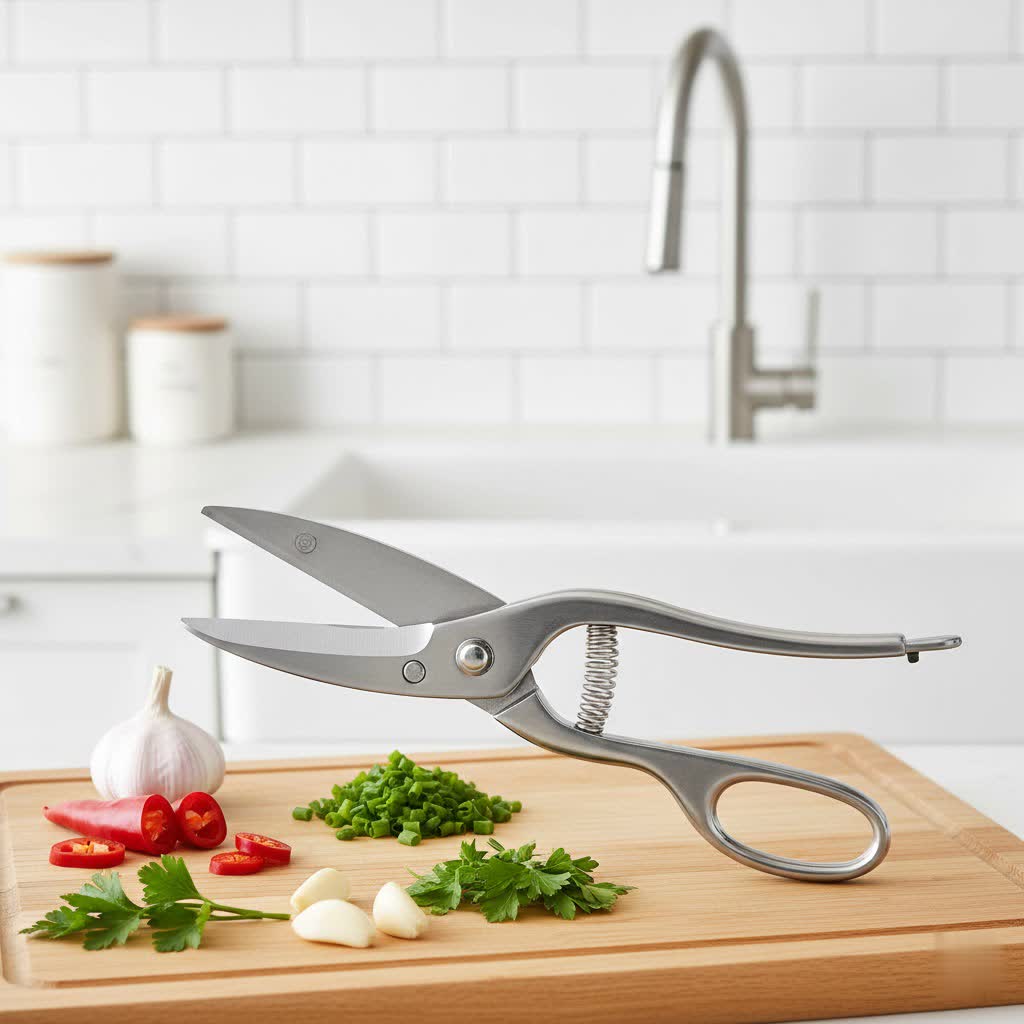
Why Specialized Shears Are Essential for Fish Preparation
Forget the frustration of a dull knife or the danger of a slippery blade. Incorporating high-quality shears into your fish cleaning routine offers unparalleled benefits in safety, efficiency, and precision. Unlike standard kitchen knives, shears provide greater control, allowing you to snip through tough fins and delicate membranes with confidence.
Firstly, enhanced safety is paramount. Handling wet, slick fish with a sharp knife significantly increases the risk of accidents. Shears keep your hands further from the cutting edge, providing a more stable and controlled grip, especially crucial when dealing with wriggling fish or sharp bones. Secondly, shears offer superior precision and efficiency for specific tasks. Removing dorsal, pectoral, and anal fins becomes a quick snip rather than a careful, often awkward, sawing motion with a knife. Many specialized fish shears feature serrated blades that grip slippery skin, preventing the fish from sliding, and some even aid in rudimentary scale removal. Lastly, the versatility of a good pair of fish shears extends beyond just fins and scales; they can effortlessly trim excess fat, cut through small rib bones without crushing them, and even section fish for easier filleting or cooking. This makes them an indispensable tool for any serious fish enthusiast.
Understanding the Types of Shears for Fish Processing
When selecting the best shears for fish, it’s helpful to understand the two main categories available: specialized fish processing shears and heavy-duty kitchen shears. Both can be effective, but each offers distinct advantages tailored to different needs.
Specialized Fish Processing Shears are meticulously engineered for the unique challenges of fish preparation. These shears often boast features like curved or serrated blades designed to grip scales and navigate the contours of a fish, preventing slippage even when hands are wet. Many models include integrated tools such as a gut hook, a built-in scaler, or a fin clipper, making them an all-in-one solution for anglers and serious home processors. Their robust construction and corrosion-resistant materials are typically built to withstand wet, often saltwater, environments.
Heavy-Duty Kitchen Shears, while multi-purpose, are also robust enough to handle many fish cleaning tasks. These are often the same sturdy shears used for spatchcocking poultry or cutting through tough packaging. Look for models with strong, sharp stainless steel blades, often featuring a micro-serrated edge to improve grip on slippery items. A key feature to prioritize in kitchen shears for fish is a take-apart design, which allows for thorough cleaning and prevents rust in hard-to-reach crevices. While they may not have all the specialized attachments of dedicated fish shears, their overall strength and versatility make them a solid choice for general fish preparation.
Comparing Top Shears for Fish Processing
Choosing the right shears can feel overwhelming with the variety on the market. Here’s a comparison of some leading options, highlighting their specific strengths and weaknesses when it comes to fish preparation:
| Brand/Model | Key Features (Fish-specific) | Pros | Cons |
|---|---|---|---|
| Gerber Processor Fisherman’s Shears | HydroTread ergonomic grip, take-apart design, gut hook, built-in scaler, fin clipper, fine edge knife blade. | All-in-one comprehensive tool, exceptional grip in wet conditions, effortless to clean, highly durable, effective for cutting through bones and fins. | Its specialized design might be excessive for those solely seeking basic kitchen cutting; could be seen as less versatile for non-fish tasks. |
| Duck Fish Cutter 4Cr Stainless Steel Shears | Curved, serrated primary blade for gripping scales, straight secondary blade for clean cuts through rib cages, 18-degree blade angle, 4Cr stainless steel. | Specifically engineered for fish, offering superior scale removal and precise bone cutting without crushing. Its design significantly reduces slippage, even with wet hands. | Less adaptable for general kitchen use compared to multi-purpose shears. |
| OXO Good Grips Multi-Purpose Kitchen Scissors | Micro-serrated stainless steel blades, large comfortable paddle handles, blades separate for cleaning. | Highly versatile for a range of kitchen tasks, including fin removal. Offers a comfortable, non-slip grip and is easy to clean due to its take-apart feature. | Not explicitly designed for scaling; might not perform as well on very thick fish bones compared to specialized models. |
| Gidli Multipurpose Utility and Seafood Scissors | Ultra-sharp stainless steel, soft secure grip, specifically designed for seafood (shells, fish scales), often available in a set with multi-purpose kitchen scissors. Lifetime warranty. | Excellent for delicate seafood preparation and general fish processing tasks like finning and scaling, durable with a secure grip. | May lack the heavy-duty cutting power for very large fish bones compared to some more robust shears. |
| KitchenAid All-Purpose Shears | Soft-grip handles, sharp stainless steel blades, sleek appearance. | Budget-friendly option, comfortable for beginners, and capable of handling various cutting tasks. | Blades do not separate, making thorough cleaning more challenging and potentially compromising hygiene over time; less robust for heavy-duty fish processing. |
| Mercer Culinary Shears | Heavy-duty, professional-grade, blades separate for easy cleaning and sharpening. | Favored by professionals for its sharpness, durability, and straightforward maintenance; capable of handling tough cuts. | Often comes at a higher price point. |
| Shun Multi-Purpose Shears | Strong, highly effective blades, heavy-duty construction. | Premium quality provides excellent cutting power for the toughest tasks, renowned for durability and precision. | Typically among the more expensive options. |
“The right set of shears for fish should feel like an extension of your hand. It’s not just about sharpness; it’s about control, safety, and the ability to glide through tasks that would traditionally demand a knife and far more effort.” – Admin, Reviewyr.com, Veteran Cutlery Technician
How to Choose the Best Shears for Your Fish
Selecting the ideal pair of shears for quickly removing fish fins and scales involves considering several crucial factors. Focusing on these features will ensure you invest in a tool that meets your needs for efficiency, safety, and longevity.
First, material and blade sharpness are paramount. Look for shears made from high-quality stainless steel, which offers both superior sharpness and resistance to corrosion—a critical feature given the wet environment of fish cleaning. Blades that are precision-ground and retain their edge are essential for clean cuts through tough fins and small bones. Many effective fish shears also incorporate micro-serrations or a serrated edge, which is invaluable for gripping slippery fish skin and scales, preventing frustrating slips during preparation.
Second, the design of the blades plays a significant role. For thorough cleaning and hygiene, a take-apart design is highly recommended. Shears that separate into two halves allow you to completely clean all surfaces, eliminating hidden fish residue that could lead to odors or rust. Some specialized shears feature curved blades that help maneuver around a fish’s contours, while others have specific angles designed to cut through rib cages without crushing the bone.
Third, ergonomics and grip are vital for both comfort and safety. Choose shears with handles that fit comfortably in your hand, offering a non-slip grip. Features like a “HydroTread” grip, which channels moisture away, are particularly beneficial when your hands are wet or slimy from handling fish. Ample finger loops ensure a secure hold, reducing hand fatigue during prolonged use.
Finally, consider the overall durability and ease of cleaning. A robust construction ensures your shears can withstand repeated use against bone and cartilage. Corrosion resistance, often achieved through specialized stainless steel and proper maintenance, will extend the life of your tool. Confirming that the shears are easy to clean—preferably dishwasher safe, though handwashing is often recommended for longevity—is also a practical consideration. By prioritizing these elements, you can select shears that will serve you effectively for years to come.
Tips for Using and Maintaining Your Fish Shears
Maximizing the performance and lifespan of your fish shears goes beyond just selecting the right pair; it also involves understanding how to use and care for them properly. Following these simple tips will ensure your shears remain sharp, hygienic, and ready for every catch.
When using your shears for fish, always prioritize safety. Hold the fish firmly, using the strong blades of the shears to make clean, deliberate cuts. For fin removal, position the shears at the base of the fin and snip through the cartilage or bone. The precision of shears makes this task much easier and safer than using a knife. If your shears have a serrated edge, you can gently scrape against the scales to aid in their removal, though a dedicated fish scaler might be more efficient for thorough scaling. Use the shears to trim away the belly meat, open the cavity, or even cut through the backbone of smaller fish, providing superior control.
Proper cleaning immediately after each use is crucial to prevent the buildup of fish residue and the onset of rust. If your shears have a take-apart design, separate the blades and wash each half thoroughly with warm, soapy water. Pay close attention to the pivot area, where food particles can easily get trapped. Even if they are listed as dishwasher safe, handwashing is often recommended as it is gentler on the blades and helps maintain their sharpness over time.
After washing, always dry your shears completely with a clean cloth. Moisture is the enemy of metal, and even stainless steel can eventually corrode if left wet, especially in a saline environment. Once dry, store your shears in a dry place, ideally with a protective sheath or in a drawer organizer to protect the blades and prevent accidental injury. Sharpening your shears periodically will maintain their cutting efficiency. While some can be sharpened with a standard knife sharpener, others might require professional sharpening due to their unique blade angles or serrations. Regular maintenance ensures your shears perform at their best, making fish preparation a swift and enjoyable part of your culinary adventure.
Conclusion: Finding the Perfect Shears for Your Catch
Equipping your kitchen with the Best Shears For Removing Fish Fins And Scales Quickly can revolutionize your fish preparation. We’ve explored why these specialized tools offer significant advantages in safety, precision, and efficiency over traditional knives, making the often-dreaded task of cleaning fish far more manageable. From the all-in-one functionality of specialized fish processing shears like the Gerber Processor to the robust versatility of heavy-duty kitchen shears from brands like OXO and Mercer, there’s a perfect pair designed to meet your specific needs.
Ultimately, the best shears for you will depend on your individual fish processing habits, the types of fish you frequently handle, and your budget. Remember to prioritize high-quality, corrosion-resistant stainless steel blades, an ergonomic non-slip grip for safety in wet conditions, and, crucially, a take-apart design for effortless and thorough cleaning. With proper selection and diligent maintenance, your chosen shears will not only speed up your workflow but also ensure a safer, more enjoyable experience every time you prepare fish. So, are you ready to upgrade your fish cleaning game and transform your culinary adventures?
Frequently Asked Questions
Are kitchen shears the same as fish shears?
Table is empty.While often used interchangeably, dedicated fish shears are specifically designed for aquatic tasks, featuring specialized blades for gripping scales, cutting fins, and handling bones. General kitchen shears can perform many fish-related cuts, but specialized models often offer enhanced features for unique fish processing challenges.
Can I use regular kitchen scissors for fish fins and scales?
You can use regular kitchen scissors for light tasks like snipping small fins or opening fish packaging. However, for tough fins, small bones, or efficient scale removal, heavy-duty kitchen shears or specialized fish shears with stronger blades and serrations are significantly more effective and safer.
How do I clean fish shears to prevent rust and maintain sharpness?
To prevent rust and maintain sharpness, always clean your fish shears immediately after use with warm, soapy water. If they have a take-apart design, separate the blades for thorough cleaning, especially around the pivot point. Dry them completely with a clean cloth before storing them in a dry place, ideally with a blade cover.