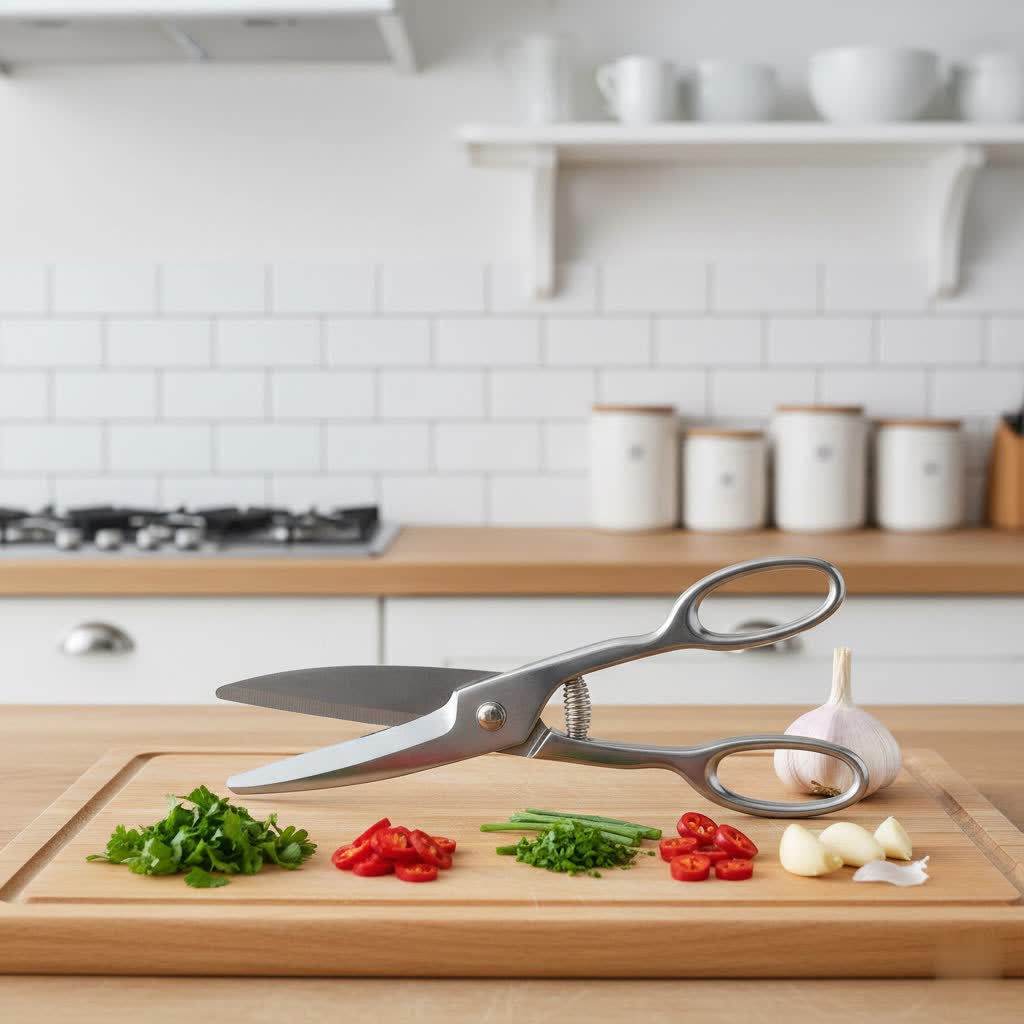
Every gardener knows the satisfaction of tending to a vibrant floral display or a flourishing herb patch. But to truly cultivate beauty and health, you need the right tools. While a good pair of shears might seem like a simple implement, selecting the best ones for your delicate blooms and robust herbs can transform your gardening experience, ensuring clean cuts, promoting plant vigor, and reducing hand fatigue. This guide will walk you through everything you need to know to choose the perfect shears, turning every snip into a precise and effortless action.
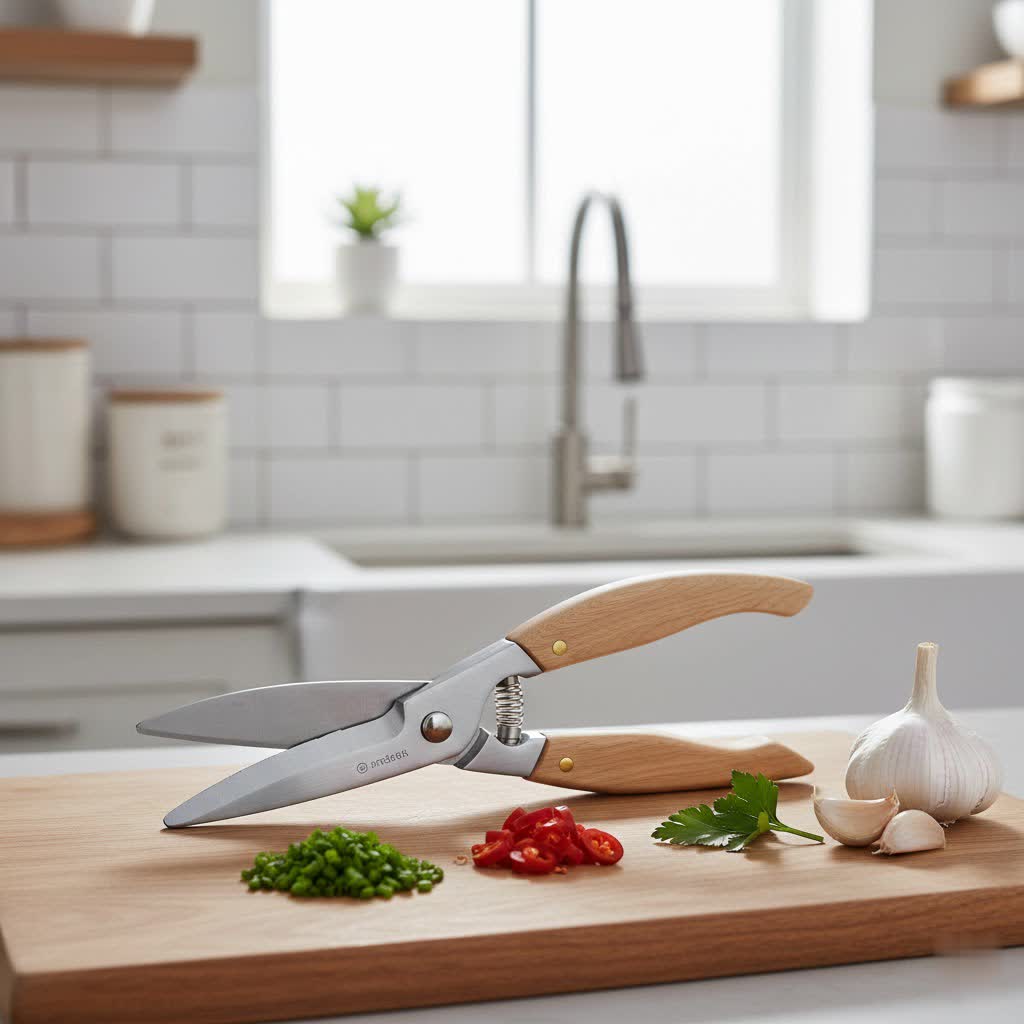
Why Quality Shears Matter for Your Garden
Investing in high-quality shears is paramount for any serious gardener or floral enthusiast, offering benefits that extend far beyond a simple cut. These specialized tools are designed to facilitate clean cuts, which are crucial for the overall health and aesthetic appeal of your plants and floral arrangements. Unlike ordinary scissors, well-crafted shears make precise excisions that minimize damage to plant tissues, thereby preventing disease and encouraging robust regrowth. This precision not only ensures the vitality of your garden but also enhances efficiency, allowing you to work more quickly and with greater accuracy. From snipping delicate flower stems for a bouquet to harvesting thick, woody herbs, the right shears provide the versatility needed to tackle a wide range of tasks, ultimately elevating your gardening prowess.
Understanding the Types of Shears
The world of cutting tools for your garden is diverse, with each type designed for specific tasks. Choosing the right shears means understanding their unique mechanisms and applications.
Bypass Shears
Table is empty.Bypass shears feature two blades that glide past each other, much like a pair of scissors. This slicing action makes them ideal for cutting fresh, live plant material, including delicate flower stems and soft-stemmed herbs. They are excellent for promoting plant health as they deliver clean cuts without crushing the stem, making them perfect for roses, tulips, and other delicate blooms.
Anvil Shears
In contrast to bypass shears, anvil shears operate with a single sharp blade that presses against a flat surface. This design is robust and highly effective for cutting through tougher, woody stems, dried flowers, and dead wood. While they excel at powerful cuts, it’s important to note that anvil shears can sometimes crush fresh stems, making them less suitable for delicate live plant material.
Floral Snips / Micro-Tip Pruners
When precision is paramount, floral snips or micro-tip pruners are your go-to tools. These shears are characterized by their small, sharp blades and fine tips, allowing for intricate cutting in tight spaces. They are perfect for delicate tasks such as deadheading spent blooms, shaping delicate flowers, or precisely harvesting small herbs like thyme and chives without disturbing the surrounding foliage. Micro-tip pruners are also excellent for fine-tuning floral arrangements.
Scissors-Style Shears
Functioning much like amplified household scissors, scissors-style shears offer enhanced strength and sharpness for general floral work. They are versatile tools, great for trimming leaves, cutting ribbons, or handling other fine details in an arrangement. While comfortable and easy to use for everyday tasks, they might not be the best choice for very thick or woody stems.
Curved vs. Straight Blade Scissors
For specific applications in herb gardening and delicate floral work, the blade shape can significantly impact performance. Curved blade scissors are excellent for precision work in tight spaces, allowing you to maneuver around delicate stems without damaging neighboring plants, often favored for fresh herbs. Straight blade scissors, on the other hand, provide more direct cutting power, suitable for slightly thicker stems or for tasks where a straight, clean edge is desired.
Key Features to Look for in Floral and Herb Shears
When selecting your shears, certain features can significantly impact their performance, durability, and comfort, ensuring they are a true asset to your gardening toolkit.
Blade Material
The quality of the blade material dictates the sharpness, longevity, and rust resistance of your shears. Stainless steel blades are a popular choice due to their excellent resistance to rust and corrosion, making them durable and easy to clean—a critical factor when working with plant sap. High-carbon steel blades are renowned for their superior sharpness and ability to hold an edge, though they may require more diligent maintenance to prevent rusting. For added resilience and to prevent sap buildup, some blades come with titanium or non-stick coatings, which enhance cutting smoothness and simplify cleaning.
Ergonomics and Comfort
Extended gardening sessions can lead to hand fatigue, making ergonomic design a vital consideration. Look for shears with comfortable handles that fit well in your hand, ideally featuring cushioned grips to absorb shock and provide a secure hold, even in wet conditions. Spring-loaded mechanisms are a boon for repetitive cutting tasks, as they automatically reopen the blades after each cut, significantly reducing strain on your hands and wrists. The overall size and weight should also be balanced, offering enough power for tough cuts without being cumbersome.
Sharpness and Cutting Action
A truly effective pair of shears will deliver clean, precise cuts every time. Sharp blades are not just for ease of use; they are fundamental for plant health. Dull blades can crush stems, leaving jagged edges that are more susceptible to disease and inhibit proper healing. The cutting action should be smooth and effortless, ensuring that delicate flowers and tough herbs are trimmed cleanly without tearing.
Safety Mechanisms
For both personal safety and tool longevity, a secure locking mechanism is a crucial feature. This prevents accidental opening of the blades when the shears are not in use, making them safer to store and transport. Many high-quality shears incorporate an easy-to-use lock that can be operated with one hand.
Ease of Cleaning
Working with plants inevitably leads to sap and debris on your blades. Shears that are easy to clean will last longer and perform better. Features like removable blades or non-stick coatings greatly simplify the cleaning process, helping to prevent the accumulation of residue that can hinder smooth operation and lead to rust.
Top Brands for Floral and Herb Shears
Choosing from a reputable brand can assure you of quality and performance. Here’s a comparison of some leading brands recognized for their excellence in gardening and floral tools:
| Brand | Key Strengths | Best For | Potential Considerations |
|---|---|---|---|
| Fiskars | Affordable, ergonomic designs, everyday use | General gardening, light floral work, beginners | May not offer the same longevity as premium brands for heavy-duty tasks |
| ARS | Razor-sharp Japanese craftsmanship, precision, lightweight | Delicate florals, fine pruning, intricate work, professional use | Higher price point, specialized tools |
| Felco | Premium quality, highly durable, replaceable parts, robust | Heavy-duty pruning, professional use, long-term investment, woody stems | Higher initial cost, can be heavier, might be overkill for light use |
| Okatsune | Traditional Japanese design, ultra-sharp edges, strong | Precise, clean cuts, traditional gardening methods, long-lasting sharpness | May require more careful maintenance, traditional aesthetic |
| Corona | Durable, reliable, versatile, often budget-friendly | Both soft and woody stems, general garden and floral tasks, good all-rounders | Ergonomics might vary across models, not always the most precise |
| VIVOSUN | Specific gardening scissors, titanium-coated options, non-stick | Precision for herbs, deadheading, hydroponics, sap-resistant | Primarily focused on gardening scissors, less on heavy-duty pruners |
“The right tool doesn’t just make the job easier; it elevates the craft. For florists and gardeners, a clean, precise cut is the foundation of healthy plants and stunning arrangements.”
Tips for Using and Maintaining Your Shears
Proper use and diligent maintenance are crucial for maximizing the lifespan and performance of your floral and herb shears. These practices ensure your tools remain sharp, effective, and safe to use for years to come.
Make Clean Cuts
Always aim for a clean, single cut. Jagged cuts can stress plants, making them vulnerable to disease and hindering growth. Position your shears close to a leaf node or main stem to encourage healthy healing and new growth. For flowers, cut stems at a 45-degree angle to maximize water absorption.
Clean After Each Use
Sap and plant debris can accumulate on blades, leading to dullness and rust. After every use, wipe your shears clean with a damp cloth or a rub with alcohol, especially if you’ve been cutting resinous herbs. This simple step prevents sticky residue from affecting cutting action and extends blade life.
Sharpen Regularly
Even the best blades will dull over time. Regular sharpening ensures your shears deliver consistently clean cuts. Use a sharpening stone appropriate for your blade type, or consider a professional sharpening service for optimal results. The frequency will depend on how often you use them and the types of materials you cut.
Proper Storage
Store your shears in a dry place to prevent rust. Ideally, use a sheath or protective case to cover the blades, not only for safety but also to protect the sharp edges from damage when not in use. A locked mechanism adds an extra layer of safety, especially if stored in a drawer with other tools.
Ergonomic Practices
Even with ergonomically designed shears, prolonged repetitive use can cause strain. Take frequent breaks during long gardening sessions. If your shears have a spring-loaded mechanism, ensure it’s functioning correctly to reduce the effort needed for each cut. Consider varying your grip or hand position to distribute pressure.
Conclusion: Choosing the Perfect Shears for Your Green Sanctuary
Selecting the Best Shears For Cutting Florals And Tough Garden Herbs is a thoughtful process that significantly impacts the health and beauty of your garden. From the clean, precise cuts of bypass shears for delicate blooms to the robust power of anvil shears for woody stems, understanding the different types and their ideal applications is key. Prioritizing features like superior blade material, ergonomic comfort, and effective safety mechanisms ensures your tools are not just functional, but a joy to use. By investing in quality shears and committing to regular maintenance, you’re not just buying a tool; you’re nurturing your garden with precision and care, ensuring a flourishing and vibrant green space for years to come.
What essential tool has transformed your gardening routine the most?
Frequently Asked Questions
What’s the main difference between floral snips and bypass pruners?
Floral snips, also known as micro-tip pruners, feature small, fine blades designed for intricate, precise cuts on delicate flowers and small herbs. Bypass pruners, however, have larger blades that bypass each other for clean cuts on thicker, live stems, making them suitable for general pruning tasks in the garden.
Can I use the same shears for delicate flowers and woody herbs?
While some versatile shears might handle both, it’s generally recommended to use specialized tools. Delicate floral snips are ideal for soft flower stems and fine herbs, whereas bypass or even anvil shears are better suited for the tougher, woody stems of robust herbs like rosemary or sage to prevent damage to either the plant or your tool.
How often should I sharpen my garden shears?
The frequency of sharpening depends on usage. For gardeners who use their shears regularly on various plant materials, sharpening two to three times per season is a good guideline. If you notice your shears crushing stems rather than cleanly slicing them, it’s definitely time for a sharpen.