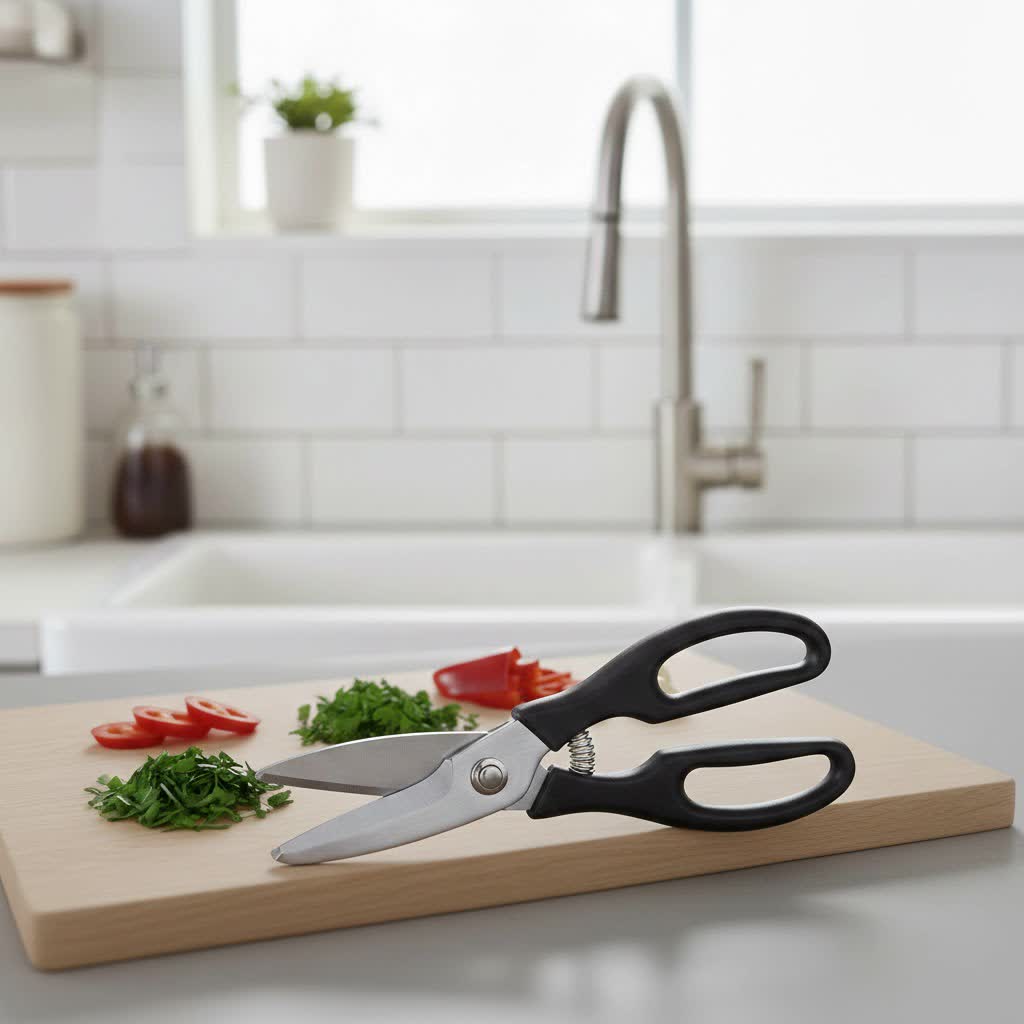
In the dynamic world of culinary arts, having the right tools can transform daunting tasks into effortless routines. Among these, poultry shears stand out as indispensable for anyone regularly preparing chicken, turkey, or duck. But when it comes to superior craftsmanship, a perennial debate sparks among enthusiasts and professionals: Japanese versus German poultry shears. Both nations boast centuries of metallurgical mastery, yet their philosophies diverge significantly, impacting everything from blade design to overall performance. As an experienced technician with a decade in cutlery, I’m here to guide you through this fascinating comparison, helping you discover which heritage best suits your kitchen endeavors.
Why You Need Poultry Shears in Your Culinary Arsenal
Poultry shears are far more than just glorified scissors; they are specialized tools engineered to make processing poultry efficient, safe, and precise.
- Time and Effort Saving: Using dedicated poultry shears significantly reduces the time and effort involved in breaking down whole birds compared to struggling with a conventional knife. Their robust design and sharp blades glide through bone and cartilage with remarkable ease.
- Enhanced Safety: The ergonomic handles and focused cutting power of poultry shears minimize the risk of slips and accidents often associated with carving slippery poultry with a knife. Many models also feature safety locks for secure storage.
- Superior Presentation: Achieve cleaner, more uniform cuts, whether you’re spatchcocking a chicken for even roasting or segmenting a turkey for serving. This precision contributes to a more appealing final dish.
Popular Types of Poultry Shears
While the core function remains constant, poultry shears come in a few common designs to cater to various preferences and tasks.
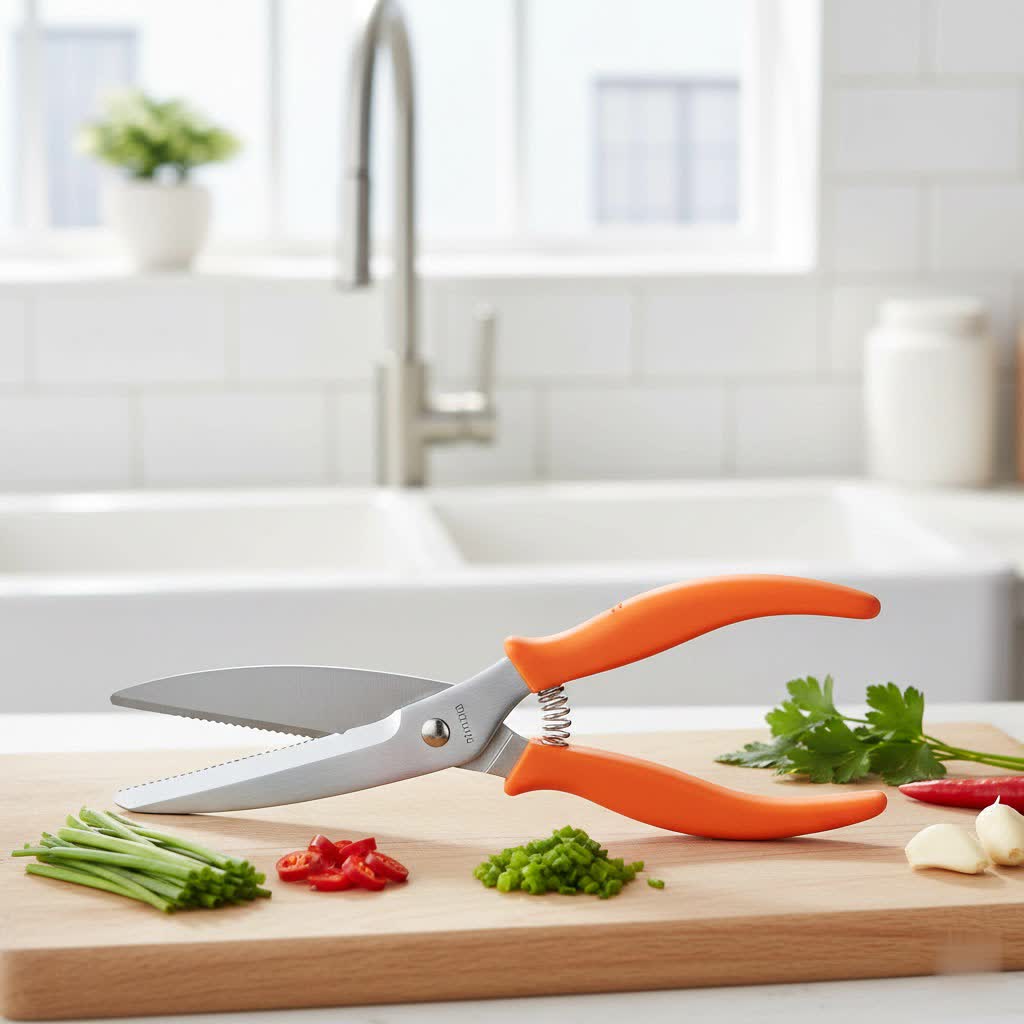
- Spring-Loaded Shears: These models feature a spring mechanism between the handles, which automatically opens the blades after each cut. This reduces hand fatigue during extended use, making them ideal for larger tasks or those with weaker grip strength.
- Non-Spring-Loaded Shears: Simpler in design, these shears operate like traditional scissors. They are often more compact and can be a good choice for lighter-duty tasks or if you prefer a more direct feel.
- Multi-Purpose Shears: Many modern kitchen shears, including some robust poultry-specific models, come equipped with additional features like nutcrackers, bottle openers, or jar grippers, offering versatility beyond just poultry preparation. Often, these designs prioritize utility alongside cutting performance.
Comparing Leading Poultry Shears: Japan vs. Germany
The distinction between Japanese and German poultry shears lies deep within their respective traditions of blade making. Each offers a unique set of advantages tailored to different culinary approaches.
| Feature | Japanese Poultry Shears | German Poultry Shears |
|---|---|---|
| Design Philosophy | Emphasis on precision, lightness, and razor-sharpness for delicate cuts and intricate work. | Focus on robustness, durability, and power for heavy-duty tasks and enduring strenuous use. |
| Blade Geometry | Often features thinner, convex blades with extremely acute edge angles (typically 10-20 degrees) for unparalleled sharpness and minimal friction. | Generally thicker, beveled blades with wider edge angles (typically 17.5-22 degrees), designed for strength and longevity, often with micro-serrations for grip. |
| Material & Hardness | Utilizes harder, high-carbon stainless steel (often 58-62+ HRC on the Rockwell scale), allowing for a finer, longer-lasting edge but potentially more prone to chipping. | Employs softer, more ductile stainless steel (typically 54-58 HRC), making them more forgiving against impact, less prone to chipping, and easier to re-sharpen, albeit with slightly less initial razor sharpness. |
| Performance | Excels in precise trimming of skin, fat, and cartilage, and can handle smaller bones with finesse. Ideal for cooks who prioritize delicate preparation and clean cuts. | Built to power through tougher tasks like spatchcocking large chickens or turkeys, severing thick bones, and general heavy-duty use. Favored by those needing a reliable workhorse. |
| Maintenance | Requires more delicate care, potentially professional sharpening, and meticulous cleaning to prevent rust on high-carbon blades. Can be more brittle. | Easier to maintain and sharpen at home with standard tools. More resistant to damage from accidental drops, offering greater durability. |
| Notable Brands | Shun, Tojiro Pro, Mitsumoto Sakari, Canary, Silky (e.g., NKS-215DT). | Wüsthof, Zwilling (Henckels), F. Dick, OXO (design philosophy aligns with German durability, though American brand). |
Key Differences in Design Philosophy and Performance
Table is empty.The core divergence between Japanese and German poultry shears stems from their distinct manufacturing traditions. Japanese blade smiths, influenced by centuries of samurai sword-making, prioritize extreme sharpness and precision, often using harder steels that can achieve and hold a finer edge. This results in shears that feel exceptionally light and precise in hand, making them adept at delicate work like trimming skin or finely separating cartilage. “Japanese shears are crafted for a finesse that allows for intricate cuts, almost surgical in their precision,” notes a culinary tools expert.
Conversely, German engineering emphasizes robustness, durability, and raw power. German shears are typically heavier, built from softer, more ductile steel, which makes them less prone to chipping or breaking, even under significant strain. Their beveled blades are designed to withstand constant, forceful use, making them excellent for powering through thick bones and demanding tasks. One professional chef commented, “When I need to spatchcock a turkey quickly, I reach for my German shears; they’re an absolute tank.”
This difference extends to maintenance. While Japanese shears offer unparalleled sharpness, they often require more careful handling and professional sharpening to maintain their delicate edge. German shears, with their more forgiving steel, are generally easier to sharpen at home and tolerate more rigorous use.
Poultry Shears Buying Guide
Selecting the perfect pair of poultry shears involves considering several factors beyond just their country of origin.
- Material: High-quality stainless steel is crucial for durability and hygiene. Japanese high-carbon steel offers superior sharpness, but demands diligent care to prevent rust. German stainless steel is known for its resilience and easier maintenance.
- Design and Ergonomics: Look for shears that feel comfortable and balanced in your hand. Spring-loaded mechanisms can reduce fatigue, while detachable blades simplify cleaning. Consider the size of the handles relative to your hand for optimal control.
- Blade Sharpness and Type: Evaluate the blade type—convex for Japanese-style precision or beveled for German-style power. A micro-serrated edge can enhance grip on slippery poultry skin, preventing accidental slips.
- Safety Features: A reliable safety lock is essential to keep the blades securely closed when not in use, preventing accidental injuries.
- Brand Reputation: Investing in reputable brands from either Japan or Germany, known for their quality craftsmanship, ensures a lasting and effective tool. Brands like Wüsthof from Germany or Shun from Japan consistently receive high praise from professional chefs and home cooks alike.
Tips for Using and Maintaining Poultry Shears
Proper care will significantly extend the life and performance of your poultry shears, regardless of their origin.
- Immediate Cleaning: Always wash your shears immediately after use with warm, soapy water. This is especially important for high-carbon Japanese steel to prevent corrosion from poultry juices.
- Thorough Drying: Dry your shears completely with a clean cloth before storing them. Moisture is the enemy of any metal blade, particularly high-carbon varieties.
- Lubrication (Optional but Recommended): For traditional shears, particularly Japanese carbon steel models, a light coating of food-grade mineral oil on the blades and pivot point can prevent rust and ensure smooth operation.
- Regular Sharpening: Maintain the edge regularly. German shears are typically easier to sharpen at home with a whetstone or honing rod. Japanese convex blades may benefit from professional sharpening to preserve their acute angle.
- Safe Storage: Store your shears in a knife block, on a magnetic strip, or in their original packaging with the safety lock engaged to protect the blades and prevent injury.
Conclusion: Choosing the Right Poultry Shears for Your Needs
The choice between Japanese and German poultry shears ultimately boils down to your personal culinary style and primary needs. If precision, a razor-sharp edge, and delicate trimming are paramount, the meticulous craftsmanship of Japanese shears like those from Shun or Tojiro Pro will undoubtedly impress. However, if your kitchen demands a robust, durable workhorse capable of powering through tough bones with minimal fuss and easier maintenance, then the dependable engineering of German brands such as Wüsthof or Zwilling is likely your ideal match. Both represent the pinnacle of quality, offering exceptional performance that will elevate your poultry preparation. Consider your most frequent tasks and how you prefer to handle your tools. Are you ready to embrace the art of precision or the power of resilience in your kitchen?
Frequently Asked Questions
Which type of poultry shears is better for cutting through thick bones?
German poultry shears, with their robust construction, thicker blades, and more ductile steel, are generally considered better for cutting through thick bones. They are designed for power and durability, making them highly effective for challenging tasks like spatchcocking large birds.
Do Japanese poultry shears require special sharpening?
Yes, Japanese poultry shears, especially those with convex blades and acute edge angles, often benefit from professional sharpening or specialized sharpening techniques using fine-grit whetstones. This helps preserve their delicate, ultra-sharp edge and prevents damage.
Are German poultry shears easier to clean than Japanese ones?
Ease of cleaning largely depends on the design feature (e.g., pull-apart blades), but in terms of material, German stainless steel tends to be more rust-resistant and forgiving than high-carbon Japanese steel, which requires meticulous drying after washing.
Can I use multi-purpose kitchen shears as poultry shears?
While some heavy-duty multi-purpose kitchen shears can handle lighter poultry tasks, dedicated poultry shears are specifically designed with stronger blades, ergonomic handles, and often a spring-loaded mechanism to efficiently and safely cut through bones and cartilage.
How long do Japanese and German poultry shears typically last?
With proper care and maintenance, both Japanese and German Poultry Shears are built to last for many years, often decades. German shears are renowned for their exceptional durability and resistance to damage, while Japanese shears offer long-lasting sharpness with diligent care.