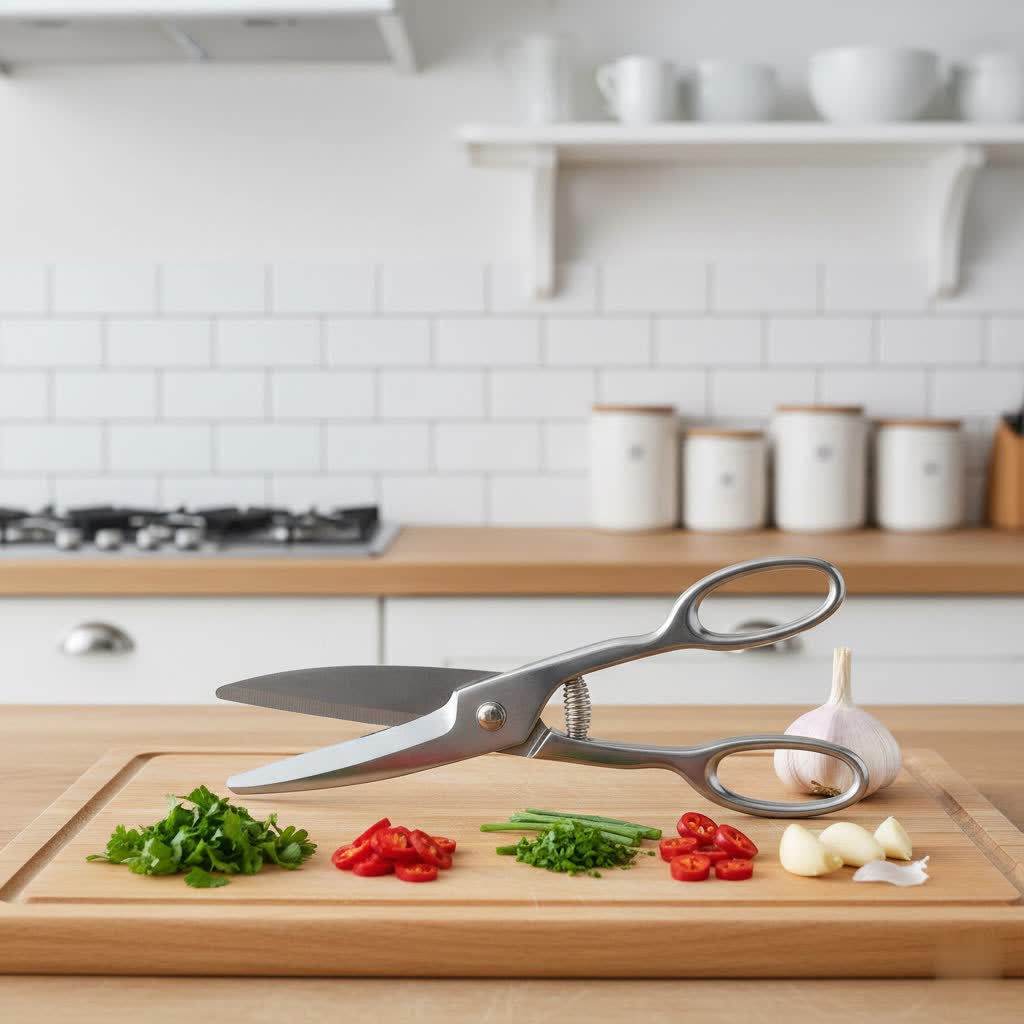
Preparing raw meat, whether it’s a whole chicken, a rack of ribs, or a side of salmon, can be a messy and challenging task. While a good knife is indispensable, the right pair of stainless steel shears for raw meat preparation can revolutionize your kitchen workflow, offering unparalleled precision, safety, and efficiency. These specialized tools are designed to effortlessly tackle tough cuts, bone, and sinew, transforming a daunting chore into a streamlined process. If you’ve ever struggled with slippery poultry skin or tried to navigate small bones with a chef’s knife, you know the frustration. This guide will walk you through everything you need to know to select the perfect pair of heavy-duty stainless steel kitchen shears, ensuring your culinary adventures in 2026 are smoother and more enjoyable.
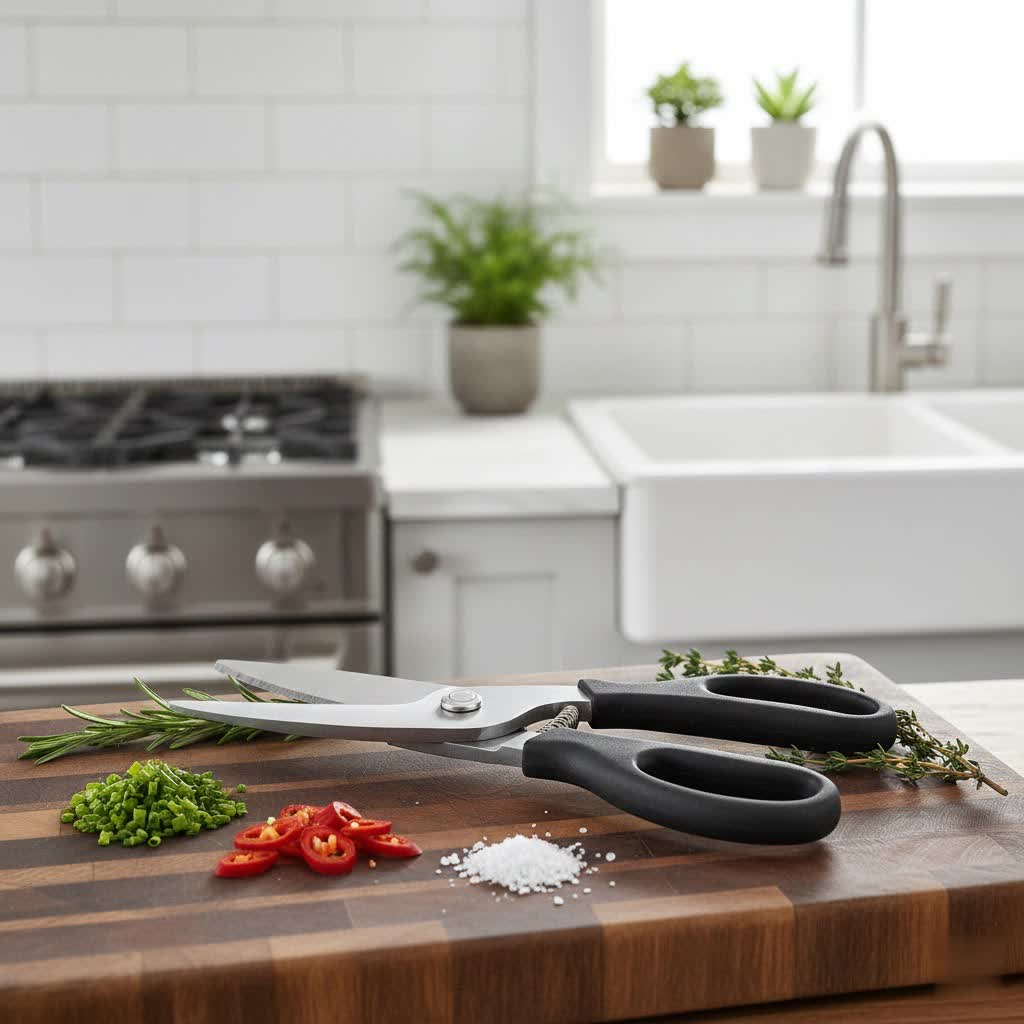
Why Specialized Shears Are Essential for Raw Meat Preparation
Using ordinary kitchen scissors for raw meat can be a recipe for frustration and even injury. Specialized stainless steel shears are engineered with distinct features that make them indispensable for meat preparation:
- Time and Effort Savings: They glide through tough skin, cartilage, and even small bones with minimal effort, significantly reducing the time and strain compared to using a knife alone. Spatchcocking a chicken or breaking down poultry becomes a quick and simple task.
- Enhanced Safety: Designed with ergonomic, non-slip handles and often a locking mechanism, these shears minimize the risk of accidents that can occur when handling slippery raw meat with a sharp knife. The controlled cutting motion offers a safer alternative.
- Precision and Presentation: Achieving clean, uniform cuts for portioning meat, trimming fat, or removing undesirable parts like fins or gristle is much easier. This precision contributes to a more appealing final dish and even cooking.
- Improved Hygiene: Many high-quality raw meat shears feature a “come-apart” design, allowing the blades to separate completely for thorough cleaning. This is paramount when dealing with raw meat to prevent bacterial cross-contamination.
Types of Stainless Steel Shears for Meat
While all stainless steel shears offer benefits over standard scissors, they come in several variations, each suited for different tasks:
- Heavy-Duty Kitchen Shears: These are robust and versatile, capable of handling a wide range of tasks from trimming tough cuts of meat to cutting through thick packaging. They often feature sturdy, long blades and comfortable handles.
- Poultry Shears: A sub-category of heavy-duty shears, poultry shears are specifically designed for breaking down whole chickens, turkeys, and ducks. They typically have a powerful spring-loaded mechanism and sometimes a bone-notch to provide extra leverage for cutting through breastbones and joints.
- Spring-Loaded Shears: Many professional-grade shears incorporate a spring mechanism between the handles. This feature significantly reduces hand fatigue during extended use, as the spring assists in opening the blades after each cut. They are particularly beneficial for dense or thick cuts of meat.
- Fixed vs. Detachable Blades: Shears with fixed blades are simpler in design, but can be harder to clean thoroughly around the hinge. Detachable blade shears, on the other hand, allow for complete separation, making deep cleaning and sanitization much easier, which is crucial for raw meat.
Key Features to Look for in High-Quality Raw Meat Shears
When investing in a pair of stainless steel shears for raw meat preparation, several features define their performance, durability, and ease of use:
Blade Material and Sharpness
High-carbon stainless steel is the gold standard for kitchen shear blades. This material offers an excellent balance of corrosion resistance (preventing rust from moisture and meat juices) and superior edge retention, meaning the blades stay sharper for longer. Look for blades that are precisely ground and impeccably sharp right out of the box.
- Micro-Serrations: Many top-tier shears feature micro-serrated edges on one or both blades. These tiny teeth act like a grip, preventing slippery items like raw chicken skin or fatty meat from sliding away, ensuring a clean and controlled cut every time.
- Blade Length and Shape: Longer, more robust blades (typically 4-6 inches) are better for larger cuts of meat and spatchcocking, providing more leverage. Pointed tips are excellent for precision work, such as separating meat from bone or trimming small, intricate areas.
|
Our Picks for the Best Poultry shears in 2026
As an Amazon Associate I earn from qualifying purchases.
|
||
| Num | Product | Action |
|---|---|---|
| 1 | OXO Good Grips Spring-Loaded Poultry Shears, Black |

|
| 2 | Poultry Shears, Heavy Duty Kitchen Shears With Anti-Slip Handle & Safety Lock, Poultry Scissors for Meat, Chicken, Bone,Turkey, Fish, Spring Loaded, Dishwasher Safe |
|
| 3 | WÜSTHOF Come Apart Kitchen Shears |
|
| 4 | MAD SHARK Professional Heavy Duty Poultry Shears - Kitchen Shears for Spatchcocking Chicken and Meat Cutting, Multi-Purpose Kitchen Scissors for Food, Spring-loaded (Red) |
|
| 5 | Gisde Heavy Duty Poultry Shears Kitchen Shears for Food Kitchen Scissors All Ppurpose Heavy Duty Scissors for Chicken, Meat, Bone, Poultry, Spring Loaded, Dishwasher Safe |
|
| 6 | HENCKELS Kitchen Shears for Poultry, Dishwasher Safe, Heavy Duty, Stainless Steel 4-Inch |
|
| 7 | KitchenAid All Purpose Kitchen Shears with Protective Sheath Durable Stainless Steel Scissors, Dishwasher Safe, Soft Grip Comfort Handle, 8.72 Inch, Black |
|
| 8 | DRAGON RIOT Heavy Duty Poultry Shears - A Must Have Kitchen Shears for Chicken and Meat Cutting - Dishwasher Safe and Stainless Food Kitchen Scissors for Thanksgiving |
|
| 9 | Poultry Shears – Heavy Duty Kitchen Shears & Multipurpose Kitchen Scissors for Meat, Chicken, Fish & Vegetables, High Carbon Stainless Steel, Safety Lock, Dishwasher Safe |
|
| 10 | HUUSK Kitchen Scissors All Purpose - Stainless Steel Kitchen Shear, Sharp Silver Meat Scissors Dishwasher Safe, Heavy Duty Poultry Shears, Japanese Cooking Scissor for Food, Christmas Gifts for Women |
|
Ergonomics and Handle Design
Comfort and control are paramount, especially during lengthy prep sessions.
- Comfortable Grip: Ergonomic handles, often made from soft-touch materials like rubber or high-quality plastic, provide cushioning and reduce hand fatigue. They should fit comfortably in your hand, regardless of size.
- Non-Slip Properties: When handling raw meat, hands can become wet or greasy. Non-slip handles are essential for maintaining a secure grip and preventing accidents.
- Ambidextrous Design: Shears that can be comfortably used by both right and left-handed individuals offer universal appeal and functionality.
- Finger Loops: Adequate finger loop size ensures that your fingers don’t get stuck or feel cramped, allowing for full range of motion and control.
Detachable Blades for Hygiene
For raw meat preparation, this feature is non-negotiable. Shears with blades that easily come apart allow you to thoroughly clean and sanitize every surface, eliminating food traps and preventing the build-up of bacteria. This design ensures maximum hygiene and longevity of the tool.
Spring-Loaded Mechanism
A booster spring or spring-loaded design reduces the physical effort required for each cut, making quick work of tough tasks like slicing through ribs or poultry bones. It allows for a smoother, more fluid cutting action, reducing strain on your hands and wrists.
Multi-Functionality
While not strictly necessary, many high-quality shears incorporate additional features that add convenience without compromising their primary cutting performance. These can include:
- Nutcracker: A serrated notch between the handles for cracking nuts or seafood shells.
- Bottle Opener: A built-in feature for opening bottles.
- Jar Opener/Lid Lifter: Notches or shapes designed to assist in opening stubborn jars.
Comparing Leading Brands for Raw Meat Shears
The market offers a variety of reputable brands known for their quality kitchen tools. Here’s a comparison of some top contenders that excel in stainless steel shears for raw meat preparation:
| Brand | Strengths | Considerations |
|---|---|---|
| Wüsthof | Exceptional German-made quality, high-carbon stainless steel, renowned sharpness and durability. Often feature a robust, classic design. Many chefs praise their feel and cutting power. | Higher price point. Some older models with bone pockets are no longer made. Newer pull-apart models might vary in user experience compared to older fixed designs. |
| OXO | Excellent ergonomics with comfortable, non-slip grips, often detachable for easy cleaning. Known for user-friendly design and good value. Praised for versatility and general kitchen tasks, including meat. | May not be as heavy-duty or durable as premium German brands for industrial-level bone cutting. Focus more on user comfort. |
| Victorinox | Swiss-made reliability, great value for money. Often feature tapered, sharp points for precision and can handle finer chicken bones. Blades are durable and can be sharpened. | Handles, while unbreakable plastic, may not be as comfortable as other ergonomic designs for prolonged, heavy use. Integrated tools might not always grip securely. |
| Zwilling | Premium German design and construction, high-quality stainless steel for longevity and sharpness. Often boast elegant aesthetics alongside robust performance. Some models are heavy-duty and efficient for breaking down poultry. | Can be expensive and sometimes heavier, which might lead to hand fatigue for some users. |
| F. Dick | Highly specialized for professional butchery and food industry use. Extreme durability, powerful cutting, built to withstand rigorous daily demands. Excellent for heavy bone and cartilage. | Less emphasis on ergonomic comfort or multi-functionality for the average home cook; primarily a workhorse tool. May be harder to find for general consumers. |
| Misen | Praised for being sharp, durable, and nimble. Long, micro-serrated stainless steel blades effectively cut through chicken bones, skin, and meat. Handles are generously sized for comfort. Often rated highly for overall functionality. | Not always dishwasher-safe, often recommended for hand washing. |
| Dalstrong | Features 420J2 Japanese stainless steel for superior corrosion resistance and strength. Ergonomic, ambidextrous designs with detachable blades for intensive cleaning. Versatile for thin cuts of meat, vegetables, and herbs, often includes a nutcracker. | Some models may not be suitable for very heavy cutting tasks like large carcasses or exceptionally thick bones. Can be a higher investment, but value is often cited. |
| Shun | Known for Japanese craftsmanship, sharp micro-serrated blades. Lightweight and ergonomic designs allow for easy maneuvering and clean cuts through slippery chicken skin and meat. | Premium price point due to high-quality materials and craftsmanship. Limited multi-functionality in some designs. |
| Cangshan | Offers heavy-duty, pull-apart shears with good no-slip rubber grips. Versatile for various tasks, from trimming fins to cracking nuts. Often provides a sturdy build at a reasonable price. | Performance for extreme heavy-duty tasks may vary, but generally very capable for most home kitchen meat prep. |
Tips for Using and Maintaining Your Raw Meat Shears
To ensure your stainless steel shears remain a reliable workhorse for years to come, proper usage and maintenance are key:
- Targeted Use: While many shears are multi-functional, consider dedicating a pair specifically for raw meat to enhance hygiene and prevent cross-contamination. Avoid using them for non-food items like wire or cardboard, which can dull or damage the blades.
- Grip and Leverage: For tough cuts, position the meat or bone as close to the pivot point of the shears as possible to maximize leverage and minimize strain. Use a firm, controlled squeezing motion.
- Immediate Cleaning: Always clean your shears immediately after use, especially after handling raw meat. Detachable blades make this process much easier.
- Thorough Washing: Wash the blades and handles with warm, soapy water. For detachable shears, separate the blades to clean all surfaces, paying close attention to the hinge area where food particles can accumulate.
- Complete Drying: Crucially, dry the shears completely with a clean towel before storing them. Moisture is the enemy of stainless steel, even high-carbon varieties, and can lead to rust or staining over time.
- Regular Sharpening: Over time, even the best blades will lose some of their edge. Sharpening your shears periodically (using a sharpening stone or a specialized shear sharpener) will maintain their cutting performance. If your shears have micro-serrated blades, consult the manufacturer’s instructions for sharpening or consider professional sharpening to preserve the serrations.
- Safe Storage: Store your shears in a dry place, ideally with a blade cover or in a knife block to protect the edges and prevent accidental cuts. Some come with magnetic holders for convenient access and storage.
Conclusion: Finding Your Perfect Pair for Raw Meat Prep
Investing in a high-quality pair of stainless steel shears for raw meat preparation is a game-changer for any kitchen. These tools elevate your cooking experience by making challenging tasks safer, faster, and more precise. From effortlessly spatchcocking a chicken to meticulously trimming a cut of beef, the right shears offer comfort, durability, and essential hygiene. Look for high-carbon stainless steel blades, ergonomic and non-slip handles, and critically, a detachable design for easy cleaning. Consider trusted brands like Wüsthof, Misen, Dalstrong, or OXO, among others, based on your specific needs and budget.
By understanding the key features and maintenance requirements, you’re now equipped to choose a pair of shears that will serve as a reliable companion in your kitchen for years to come. What raw meat preparation tasks will you tackle first with your new, indispensable kitchen tool?
Frequently Asked Questions
What makes stainless steel shears ideal for raw meat?
Stainless steel is chosen for its excellent corrosion resistance, preventing rust and stains from meat juices and moisture. High-carbon stainless steel further offers superior edge retention and strength, allowing the blades to remain sharp and cut through tough meat, fat, and even bone without dulling quickly. Its non-reactive surface also ensures food safety.
Can I put my raw meat shears in the dishwasher?
While some manufacturers claim their shears are dishwasher safe, hand washing is generally recommended, especially for high-quality stainless steel shears. Dishwashers can be harsh on blades, potentially dulling them faster or causing issues with handle materials. Detachable shears are particularly easy to hand wash thoroughly, ensuring maximum hygiene without risking damage.
How do I sharpen stainless steel kitchen shears with serrated blades?
Sharpening serrated blades requires a specific approach, often using a ceramic rod or a specialized serrated knife sharpener that can fit into each scallop. It’s usually done only on the non-serrated side (if only one side is serrated) or very carefully on each serration. For best results and to preserve the unique edge, it’s often advisable to follow the manufacturer’s instructions or seek professional sharpening.
What’s the difference between kitchen shears and poultry shears?
Kitchen shears are general-purpose tools for various kitchen tasks, including opening packages, snipping herbs, and light meat trimming. Poultry shears are a specialized type of heavy-duty kitchen shear, specifically designed with stronger blades, a powerful spring mechanism, and sometimes a bone-notch, to cut through poultry bones, cartilage, and thick skin with greater ease and leverage.
Are spring-loaded shears necessary for raw meat?
While not strictly “necessary” for all raw meat tasks, spring-loaded shears significantly reduce hand fatigue, especially when dealing with large quantities of meat or tougher cuts like bone. The spring mechanism assists in opening the blades after each cut, making the repetitive action smoother and less strenuous, thus enhancing efficiency and comfort during prolonged use.