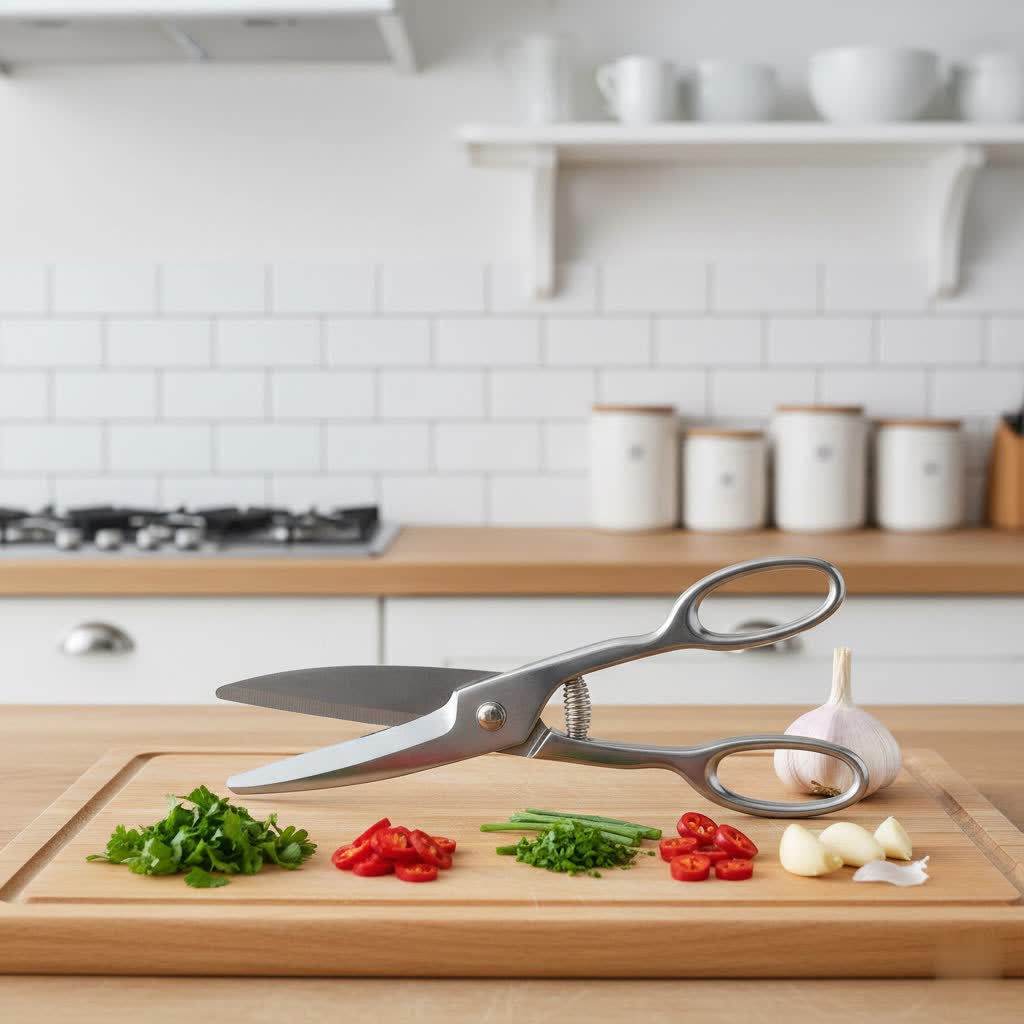
For anyone passionate about cooking, having the right tools can transform kitchen tasks from frustrating chores into effortless culinary pursuits. If you have smaller hands, you’ve likely experienced the struggle of wielding oversized kitchen shears – whether they’re too wide, too heavy, or simply awkward to grip. This often leads to hand fatigue, reduced precision, and even safety concerns. But fear not, the perfect pair of shears designed to fit your hands, enhance your control, and make food preparation a joy is within reach. This guide will walk you through everything you need to know to choose shears that feel like an extension of your own hand.
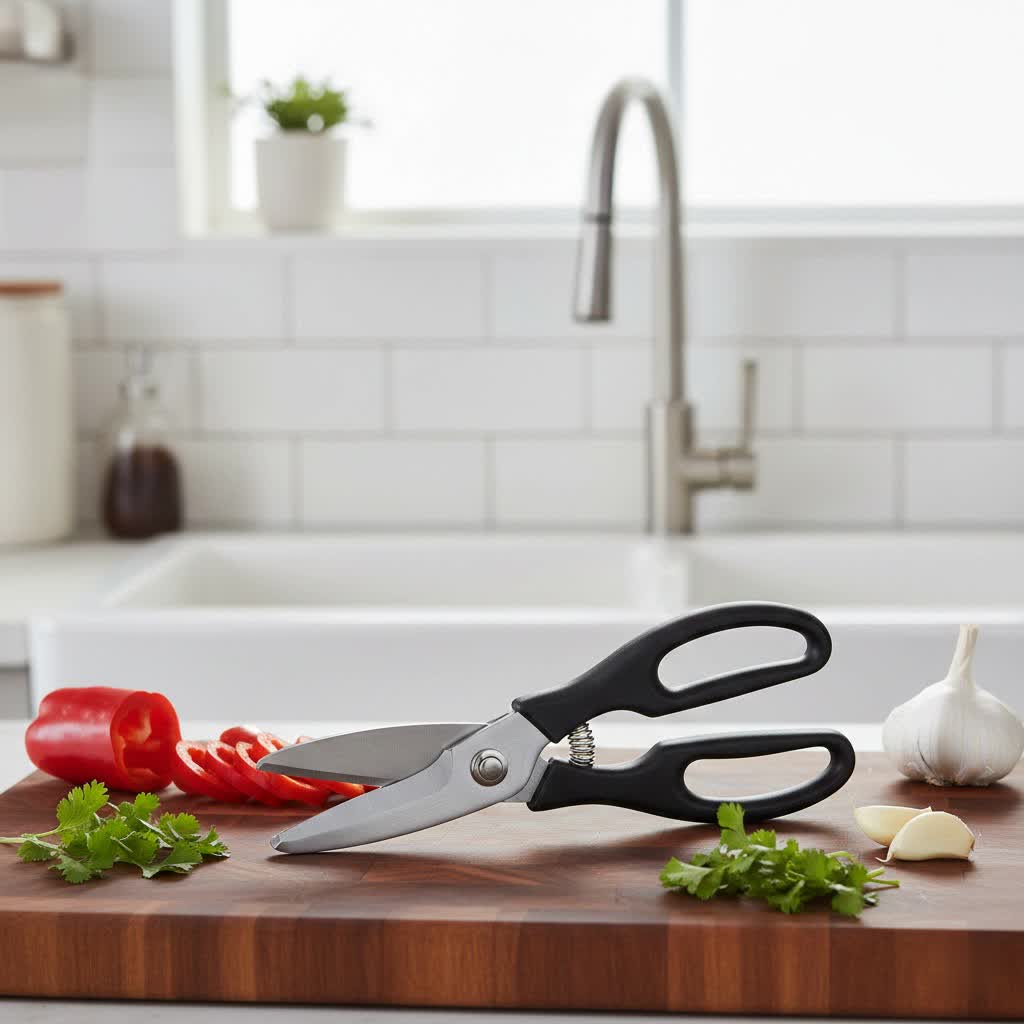
Why The Right Shears Matter for Small Hands?
Using shears that are too large for your hands can turn simple tasks into uncomfortable struggles. The right size shears, however, provide crucial advantages, making your kitchen experience safer and more efficient. Properly fitting shears allow for enhanced comfort and control, preventing strain and offering superior precision for delicate or intricate cuts. This improved ergonomics also translates to better safety, reducing the risk of slips and accidental cuts that can occur when struggling with ill-fitting tools. Ultimately, having shears tailored to your hand size makes everyday kitchen prep, from snipping herbs to breaking down poultry, feel significantly more effortless.
Types of Shears & Their Suitability for Small Hands
Kitchen shears come in various designs, each with features that can impact their suitability for smaller hands. Understanding these types is the first step in making an informed choice.
-
Spring-Loaded Shears: These shears feature a spring mechanism that automatically opens the blades after each cut. This design significantly reduces hand fatigue, especially during repetitive tasks, as your hand doesn’t have to exert effort to open the blades. For smaller hands, spring-loaded shears can be a game-changer, as they prevent the blades from opening too wide, maintaining a comfortable grip throughout use.
-
Standard (Non-Spring) Shears: These are simpler in design and often more affordable. While they lack the assisted opening of spring-loaded models, some standard shears can still work well for smaller hands if they feature compact handle loops and a lightweight construction. It’s crucial to check the size of the finger holes to ensure they don’t cause your thumb knuckles to get stuck.
-
Multi-Purpose Shears: Many kitchen shears are designed for versatility, capable of cutting everything from meat and vegetables to packaging. While their multi-functionality is a plus, pay close attention to the handle design. Some multi-purpose shears might have bulkier handles or wider finger holes, which could be less comfortable for smaller hands. Look for models that specifically mention ergonomic features or adjustable tension.
Top Shears Brands and Their Small Hand-Friendly Options
When selecting shears, certain brands are recognized for their quality and thoughtful design, with some offering models particularly suited for smaller hands.
| Brand | Advantages for Small Hands | Considerations |
|---|---|---|
| OXO Good Grips | Their Spring-Loaded Poultry Shears are highly recommended for smaller hands because they don’t open too wide, feature comfortable nonstick padded handles, and are easy to use even one-handed. OXO often prioritizes comfortable, non-slip grips. | While generally ergonomic, always check specific models as some universal designs might still be slightly large. |
| Ciselier (by Fennek) | These handmade shears are praised for being durable, lightweight, staying sharp, and perfectly fitting small hands, making them a favorite in both professional and home kitchens. | May be a more specialized or premium option, potentially with a higher price point. |
| Brabantia | Explicitly mentioned as offering “Best scissors for small hands” in product reviews, indicating a focus on ergonomic design for smaller users. | Research specific models to understand their unique features for small hands. |
| Hammer Stahl | These shears are surprisingly lightweight and can comfortably accommodate both small and large hands. They feature excellent no-slip grips, which is a significant plus for control. | While adaptable, some users with very small hands might find dexterity slightly less than with a truly custom-fit pair. |
| Kuhn Rikon | Their Universal Kitchen Shears feature a unique “perfect size and position of the 3-finger hole” designed for a comfortable and secure grip. | This specific design might not appeal to everyone, so it’s worth trying if possible. |
| Victorinox | Known for good value and versatile tools, some lighter models could be easier to maneuver. Their multipurpose kitchen shears are recognized for fine cutting. | Handle design can vary significantly; look for models with more compact finger loops or ergonomic contours. |
| Zwilling J.A. Henckels | While some models have padded handles for comfort, certain poultry shears from this brand have been noted to open too wide for smaller hands, despite otherwise good performance. | Carefully assess the handle span and finger hole size for specific models before purchasing. |
“The difference a well-fitting pair of shears makes is immediate. It’s not just about cutting; it’s about confidence and avoiding strain in the kitchen.”
How to Choose Shears for Small Hands: A Buying Guide
Choosing the right shears for smaller hands involves paying close attention to several key features that prioritize comfort, control, and efficiency.
- Handle Design & Grip Size: This is arguably the most crucial factor. Look for shears with finger loops that are proportionate to your hand size, allowing your fingers to fit comfortably without feeling cramped or having excess space. Ergonomic handles with non-slip materials, such as padded silicone or rubber, provide a secure grip and reduce the risk of slippage, especially when hands are wet or greasy. Avoid handles where your thumb knuckles might get stuck, as this limits mobility and comfort.
- Blade Length & Material: Shorter blades (around 7-8 inches total length) often offer more control and maneuverability for small hands, particularly for intricate tasks. Stainless steel is the go-to material for its durability, rust resistance, and ease of cleaning. Look for micro-serrated blades, which help grip food and prevent slipping, ensuring a more precise cut.
- Spring Mechanism: Shears with a spring-loaded design significantly reduce the effort required to open the blades, making them ideal for repetitive cutting tasks and reducing hand fatigue. Ensure the spring mechanism doesn’t cause the blades to open excessively wide, which could still be uncomfortable.
- Safety Lock: A reliable safety lock is essential for secure storage and to prevent accidental injuries when the shears are not in use. Look for a lock mechanism that is easy to engage and disengage, but secure enough to stay in place.
- Weight & Balance: Lighter, well-balanced shears are easier to maneuver and cause less strain during prolonged use. Heavy shears, even if sharp, can quickly lead to hand fatigue for those with smaller hands.
- Brand Reputation & Reviews: Always consult reviews, specifically looking for feedback from users who mention hand size. Brands known for their ergonomic designs or specific models praised for their comfort with smaller hands, like OXO or Ciselier, are good starting points.
Tips for Using and Maintaining Shears with Small Hands
Even with the perfect pair of shears, proper usage and maintenance can further enhance your experience, especially for smaller hands.
- Proper Grip Techniques: Experiment with different ways of holding your shears to find what feels most comfortable and provides the best leverage for various tasks. For tougher cuts, using a two-handed grip on certain spring-loaded shears can provide extra force without excessive strain.
- Regular Cleaning: To maintain hygiene and extend the life of your shears, always rinse them immediately after use with warm water and soap. For shears that come apart, separate the blades for a thorough cleaning.
- Drying & Storage: Thoroughly dry your shears to prevent rust, especially if they are stainless steel. Store them in a dry place with the safety lock engaged to protect both the blades and your hands.
- Sharpening: Even the best blades will dull over time. Regular sharpening, either with a dedicated sharpener or by a professional, will maintain their effectiveness and reduce the effort needed to cut.
- Ergonomic Practices: Listen to your hands. If you feel any discomfort or fatigue during long cutting sessions, take short breaks. Proper posture and reducing repetitive stress are key to long-term comfort.
Conclusion: Finding Your Perfect Shears for Small Hands
Choosing the right size shears for small hands is a critical step towards a more comfortable, efficient, and enjoyable kitchen experience. It’s not just about having a sharp tool; it’s about finding one that perfectly complements your anatomy, reducing strain and enhancing your control. By prioritizing ergonomic handle designs, appropriate grip sizes, and beneficial features like spring-loaded mechanisms, you can transform your culinary tasks. Consider your primary usage needs, explore reputable brands known for their thoughtful designs, and don’t hesitate to consult reviews from fellow cooks with smaller hands.
Are you ready to discover the ease and precision that the right pair of shears can bring to your kitchen?
Frequently Asked Questions
What are the best kitchen shears for someone with small hands?
|
Our Picks for the Best Poultry shears in 2026
As an Amazon Associate I earn from qualifying purchases.
|
||
| Num | Product | Action |
|---|---|---|
| 1 | OXO Good Grips Spring-Loaded Poultry Shears, Black |

|
| 2 | Gisde Heavy Duty Poultry Shears Kitchen Shears for Food Kitchen Scissors All Ppurpose Heavy Duty Scissors for Chicken, Meat, Bone, Poultry, Spring Loaded, Dishwasher Safe |
|
| 3 | Poultry Shears, Heavy Duty Kitchen Shears With Anti-Slip Handle & Safety Lock, Poultry Scissors for Meat, Chicken, Bone,Turkey, Fish, Spring Loaded, Dishwasher Safe |
|
| 4 | WÜSTHOF Come Apart Kitchen Shears |
|
| 5 | KitchenAid All Purpose Kitchen Shears with Protective Sheath Durable Stainless Steel Scissors, Dishwasher Safe, Soft Grip Comfort Handle, 8.72 Inch, Black |
|
| 6 | MAD SHARK Professional Heavy Duty Poultry Shears - Kitchen Shears for Spatchcocking Chicken and Meat Cutting, Multi-Purpose Kitchen Scissors for Food, Spring-loaded (Red) |
|
| 7 | HENCKELS Kitchen Shears for Poultry, Dishwasher Safe, Heavy Duty, Stainless Steel 4-Inch |
|
| 8 | Poultry Shears – Heavy Duty Kitchen Shears & Multipurpose Kitchen Scissors for Meat, Chicken, Fish & Vegetables, High Carbon Stainless Steel, Safety Lock, Dishwasher Safe |
|
| 9 | HUUSK Kitchen Scissors All Purpose - Stainless Steel Kitchen Shear, Sharp Silver Meat Scissors Dishwasher Safe, Heavy Duty Poultry Shears, Japanese Cooking Scissor for Food, Christmas Gifts for Women |
|
| 10 | DRAGON RIOT Heavy Duty Poultry Shears - A Must Have Kitchen Shears for Chicken and Meat Cutting - Dishwasher Safe and Stainless Food Kitchen Scissors for Thanksgiving |
|
The best kitchen shears for small hands typically feature ergonomic handles with comfortably sized finger loops, a non-slip grip, and often a spring-loaded mechanism to reduce hand fatigue. Brands like OXO Good Grips and Ciselier by Fennek are frequently recommended for their user-friendly designs that accommodate smaller hands well.
Can I sharpen all types of kitchen shears?
Most kitchen shears with stainless steel blades can be sharpened, similar to knives. However, shears with micro-serrated edges or specialized blade designs may require specific sharpening tools or professional service to maintain their unique cutting ability. Always check the manufacturer’s recommendations.
Why do some shears have a spring mechanism?
A spring mechanism in shears helps to automatically open the blades after each cut, significantly reducing the manual effort and hand fatigue, especially during repetitive tasks. This feature enhances comfort and control, making them particularly beneficial for users with smaller hands or those prone to hand strain.
Are shorter shear blades better for small hands?
Shorter shear blades can offer increased control and maneuverability, which can be advantageous for individuals with smaller hands. They allow for more precise cuts and are often easier to handle for intricate tasks, as they reduce the overall length and leverage required to operate the tool effectively.
How can I tell if shears are too big for my hands before buying?
To assess if shears are the right size, grip them as you would during use. Check if your fingers fit comfortably through the loops without being too cramped or having too much space. Your thumb knuckles should not get stuck, and the span when fully open should not feel stretched or uncomfortable, indicating good handle ergonomics.